




Moving is traditionally perceived as an event associated with chaos, haste, and unexpected losses. However, in reality, everything depends not on the scale of the task, but on the quality of preparation. When the process is set up correctly, moving ceases to be stressful and becomes a clear sequence of actions, where each stage logically follows the previous one. A controlled move is no longer just a goal — it’s achievable with proper planning and preparation.
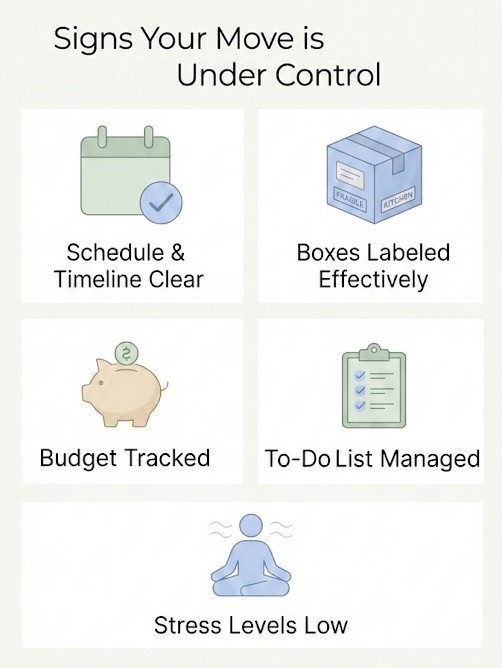
A modern approach to relocation organization is exemplified by services like Elatemoving.com, which rely on systematic planning, organized packing, and professional transport to ensure a smooth move. Highlighting these practices illustrates the signals that indicate a move is truly under control — careful preparation, risk management, and structured execution. For example, professional movers often incorporate insurance, inventory tracking, and utility management into their plans to prevent last-minute complications.
1. There is a Clear Plan, Not Abstract Arrangements
A controlled move always starts with a plan. Not just “we’ll start in the morning,” but a specific schedule: the time of transport pick-up, stages of loading, and order of unloading. Even if adjustments are needed, having a plan reduces the likelihood of errors, delays, or conflicts.
Practical Tip: Create a timeline or checklist for each stage. Include tasks like arranging utilities, notifying the post office of your address change, and confirming insurance coverage for valuable items.
2. Responsibility Is Distributed in Advance
When each participant knows their area of responsibility, uncertainty — the main source of stress — disappears. Clearly define who handles packaging, transportation, and coordination. This is particularly important for office or family relocations, where multiple people or teams are involved.
Practical Tip: Assign someone to track inventory and keep a list of fragile or high-value items. This small step ensures accountability and reduces post-move surprises.
3. Well-Organized Packing Sets the Tone
Proper packing is a key indicator of order. Boxes should be clearly labeled, fragile items protected, and valuables or documents highlighted separately. This speeds up the move and minimizes the risk of damage.
Systematic packing best practices include:
- Logical labeling by room or zone
- Separate packaging for appliances and fragile items
- A pre-prepared “first day box” with essentials like toiletries, snacks, coffee, chargers, and important documents
Example: Families often find that having a first-day box saves hours of searching for essentials after moving in.
4. Time Is Calculated with a Margin
Planning every minute can backfire, leaving no room for unexpected delays. Professional movers always include a time buffer for traffic, weather, elevator availability, and other unforeseen issues. This ensures calm decision-making, maintains flexibility, and prevents stress for everyone involved.
Tip: Allow 15–30% extra time for each stage to absorb minor setbacks without throwing the schedule off.
5. Suitable Machinery and Transport Are Used
Control is not only about planning; it also depends on the tools and transport. Using appropriate vehicles, dollies, belts, and protective materials reflects experience and preparation. This approach reduces risk of damage, ensures efficiency, and demonstrates a professional level of service.
Example: Even a small item like a trolley belt can prevent injuries and speed up loading and unloading, especially for bulky appliances or office equipment.
6. There Is a Single Point of Coordination
A smooth move requires consistent, centralized decision-making. Usually, one responsible coordinator oversees the process and responds promptly to changes.
Signs of good coordination include:
- Clear contact points for questions
- Agreed-upon changes before implementation
- No conflicting instructions
Example: In an office relocation, a single coordinator ensures IT equipment is moved first, preventing downtime and confusion.
7. No “Post-Move Chaos” Afterwards
The final signal of a controlled move is how smoothly things settle afterward. If furniture and equipment are in place, systems are functional, and unpacking doesn’t take days, it indicates the move was well-organized. A properly managed move leaves minimal stress and a sense of order.
Tip: Combining inventory tracking, insurance, and a checklist of utilities ensures minimal stress and a sense of order after the move.
Bottom Line: Control Is the Result of Preparation, Not Luck
A smooth, stress-free move is not a matter of chance. It is the result of careful planning, systematic execution, and professional expertise. When all steps are structured rationally, the uncertainty and stress of relocation disappear, replaced by a feeling of order, efficiency, and confidence. A controlled move is achievable with preparation, process, and discipline.