




Working with partners is the hallmark of any B2B organization. The trouble is that the way that companies engage with their partners can get in their way. When partners do not know what to do, they are less likely to do it. If an organization does not have an effective system to track the performance and engagement with partners, it is less likely to reap the benefits of the relationship.
The good news is that it doesn’t have to be this way. Companies can find ways to achieve all these needs and more, typically with automation. Automation removes many of the bottlenecks that get in the way of productive business. With this guide, B2Bs will better understand how partner program automation clears the way for smooth sailing.
Challenges With Traditional Partner Program Management
Any organization that has partners likely has some system to manage them, but it may not be very effective. Traditional programs relied on siloed systems, counting on manual processes to transfer information from one system to another. This introduced errors and dramatically slowed down the process. If partners needed help with onboarding or training, often it was up to them to seek it out.
These outdated processes cost time and money, as B2Bs chased partners for information about their performance and answered questions one by one. Even worse, these traditional partner program management approaches made it difficult to scale. Adding new partners compounded existing problems to the point that it no longer made sense to expand.
Advantages of Partner Program Automation
Automation removes virtually all the problems that B2Bs face when they try to manage partners one at a time. With PRM software, organizations can ensure that partners have everything they need, without having to reinvent the wheel or compromise on the company’s strategic goals.
Streamline onboarding
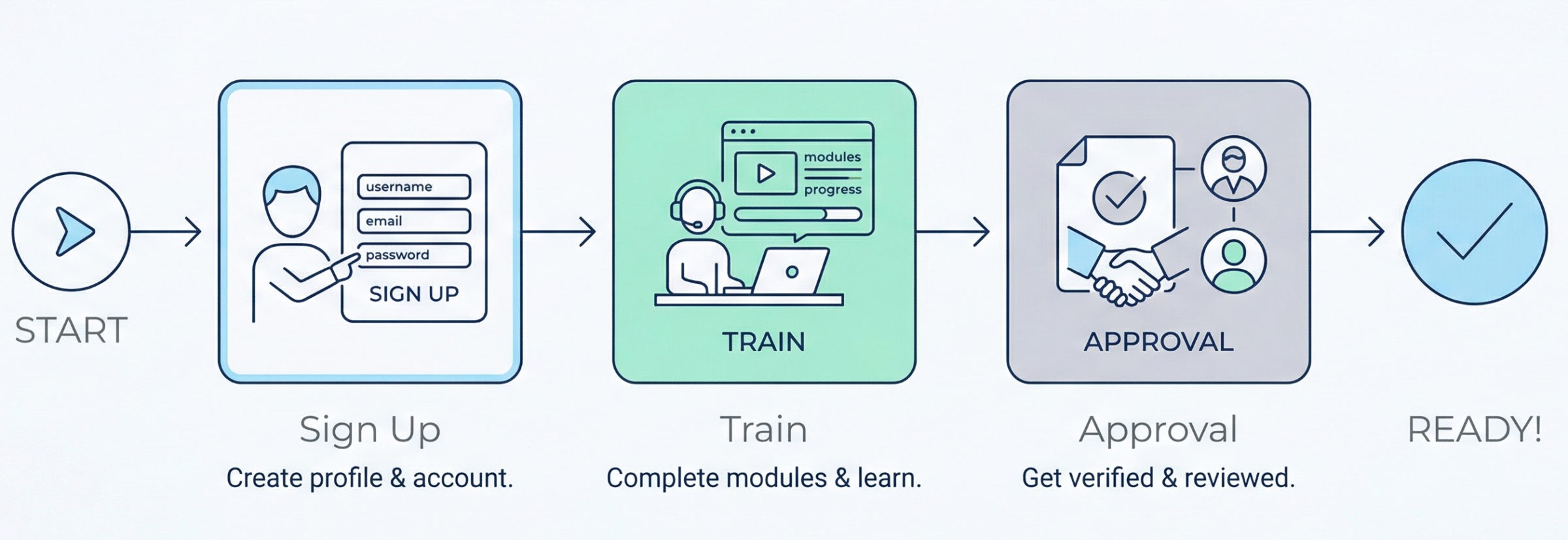
Getting partners into the program and up to speed on expectations and requirements takes time, but it doesn’t necessarily call for individual attention. With an automated system, partners can go through convenient training modules, sign online contracts, and gain access to the resources they need to be effective partners. A streamlined onboarding process takes less time for the partner and the company, which encourages more partners to invest in the program.
Accelerate training
Many partner programs require ongoing training so that each partner remains current on the company’s offerings, objectives, and more. An automated system can provide a convenient dashboard that alerts partners to training requirements and deadlines. Partners can peruse their options for taking the training on their own time and complete the training modules whenever it suits them. Once they complete the training, they can receive a certification of the training module. The records even update automatically in the company’s partner program tracker.
Increase partner communication and collaboration
Even if the automated system addresses the vast majority of partner expectations, they still may need options to communicate or collaborate with the company. Rather than requiring partners to send emails and hope they get an answer or worse, start calling numbers, an automated system can streamline these processes. Partners can utilize integrated communication tools like automated emails and real-time messaging. This way, partners get the answers to their questions in-platform, which decreases the surface area for confusion.
Automated systems also increase collaboration. Customized automated systems can facilitate file sharing or other collaborative tools. Partner program managers receive the data and can provide in-platform suggestions or other communications.
Improve partner engagement
The goal of any partner program is to get the partners to do more with the company. An increase in engagement can lead to a rise in sales, leads, or better brand recognition. Within an automated system, the company can create tailored paths for each partner to follow. A step-by-step guide can help the partners develop their participation, understanding what they need to do to reach the next goal.
Align partner journey with strategic goals
Each partner goes on a journey in their engagement with the company’s products and services. This journey must align with the organization’s strategic goals, or else it risks creating the wrong kind of value. An automated system is easy to customize and adjust, depending on the company’s current needs and goals. Partners can see milestones to achieve, track their progress in real-time, and see how their contributions benefit themselves and the organization. In turn, the company gets the confidence of knowing that the partner program continues to fit with the strategic vision and branding goals.
Integrate with existing ERP and CRM systems
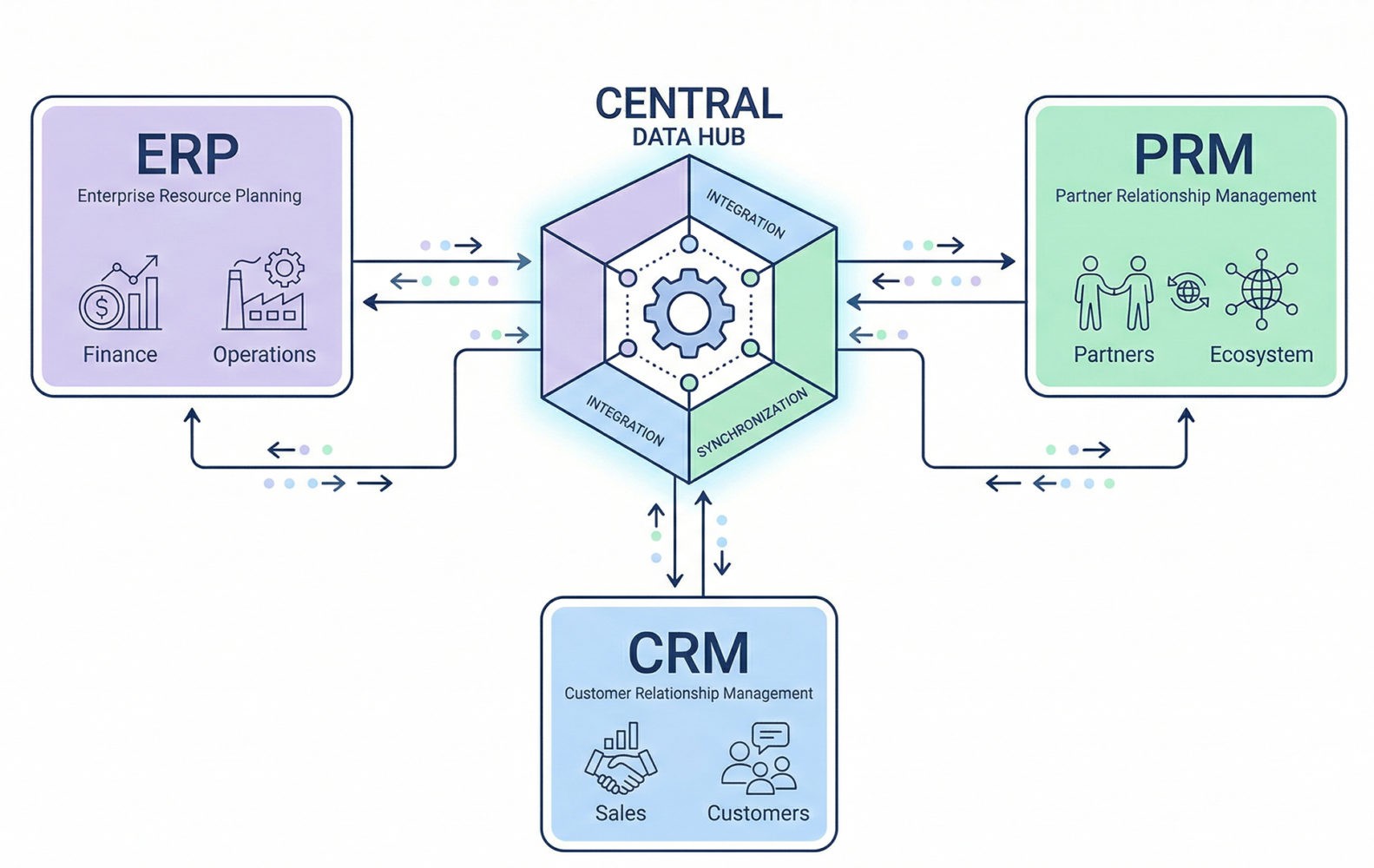
To avoid partner program management being one person’s cross to bear, an automated system can integrate with existing ERP and CRM systems. Companies often rely on enterprise resource planning or customer relationship management systems, as a way of managing operations. These systems are ideal because they centralize data across operational teams, ensuring that everyone has access to the same information. Automated partner programs can typically integrate with these systems, so that managers do not have yet another siloed workflow to manage.
Effectively track performance
Tracking performance is a critical element for both partners and the company. The organization needs to know how a partner is progressing toward their individual milestones. Lack of progress may indicate an ill-fit with the company or a need for more training. The partner wants to know how they are doing on their journey, particularly for programs that lead to payments or other compensation. With real-time tracking and reporting, the company can see how partners perform at a glance. This timely advantage helps the organization to refine strategic plans and program benefits for partners.
Efficiently scale
For many companies, growing the partner program is a key goal. An automated system simplifies scaling dramatically. Automated partner programs allow partners to seamlessly:
- Sign up for the program
- Go through training at their convenience
- Receive essential resources in-platform
- Collaborate and receive answers in real-time
- Identify milestones
- Track progress toward goals
- Send or receive payments
When the system provides the ability for rapid progress with little input from company employees, it can scale much more efficiently. As such, an organization could spend virtually the same amount of time and money for 10 partners as they would for one.
Creating and managing a partner program is an ongoing concern for many B2B organizations. Partners may need custom training and onboarding to ensure their success, but the old ways of achieving this no longer cut it. Partners expect the ability to collaborate and see information in real-time. Everyone expects more access to data since they know it is accessible.
Automated partner programs provide the solution. With rapid onboarding and training, customizable goals and journeys, and real-time tracking, companies can eliminate roadblocks and scale their partner programs with confidence.