



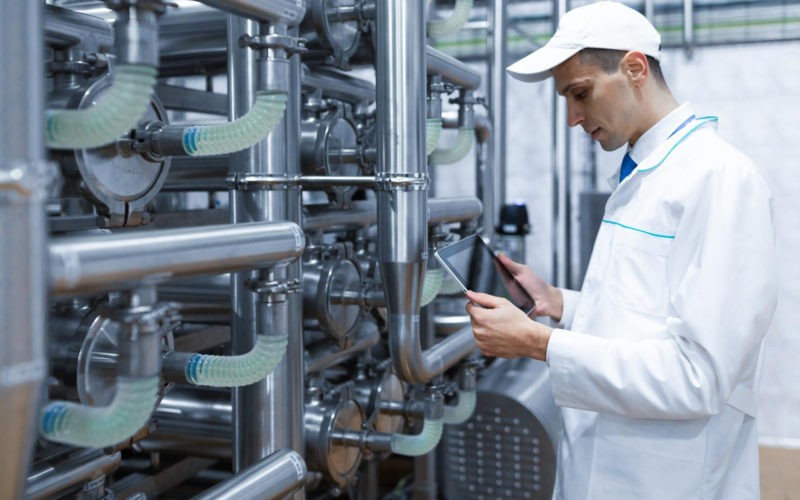
Industrial operations are under constant pressure to become more efficient, cost-effective, and environmentally responsible. From manufacturing plants to food processing facilities, the demand for precision and reliability has never been higher. One of the often-overlooked components that plays a critical role in achieving these goals is the use of modern gas systems. These systems, which include the storage, distribution, and application of industrial gases, have evolved significantly in recent years.
Advancements in automation, monitoring technologies, and system design have transformed how gases are used across industries. Today, advanced gas infrastructure are not only supporting core operations but also driving innovation, improving safety, and reducing waste. As industries continue to modernize, the integration of advanced gas solutions is becoming a key factor in streamlining operations and maintaining competitiveness.
The Role of Industrial Gases in Operations
Industrial gases such as oxygen, nitrogen, carbon dioxide, and hydrogen are essential in a wide range of applications. They are used in processes like welding, cutting, cooling, packaging, and chemical production. Their properties allow them to enhance efficiency and ensure consistent quality in production environments.
Enhancing Process Efficiency
Modern gas systems are designed to deliver precise amounts of gas exactly where and when they are needed. This level of control reduces waste and ensures optimal performance. For example, in metal fabrication, controlled gas flow improves the quality of welds while minimizing material defects. In food preservation, gases like nitrogen help extend shelf life by reducing oxidation.
Automation is essential in this process. Sensors and control systems continuously monitor gas usage and adjust flow rates in real time. This not only improves efficiency but also reduces the likelihood of human error, which can lead to costly disruptions.
Supporting Diverse Applications
The versatility of industrial gases allows them to be used in a variety of sectors. In healthcare, they are critical for respiratory treatments and sterilization processes. In electronics manufacturing, ultra-pure gases are used to create semiconductors with high precision. Meanwhile, in the energy sector, gases are used in refining and emissions control processes.
This adaptability makes modern gas systems an essential component of industrial infrastructure, capable of supporting both traditional operations and emerging technologies.
Technological Advancements in Gas Systems
The evolution of gas systems has been driven by technological innovation. Modern systems are no longer simple storage and delivery mechanisms; they are intelligent networks that integrate with broader industrial processes.
Smart Monitoring and Control
One of the most significant advancements is the implementation of smart monitoring systems. These systems use digital sensors and data analytics to track gas consumption, pressure levels, and system performance. Operators can access this information in real time, allowing for quick adjustments and proactive maintenance.
Predictive maintenance is another key benefit. By analyzing usage patterns and system data, potential issues can be identified before they lead to failures. This reduces downtime and extends the lifespan of equipment.
Automation and Integration
Automation has transformed how gas systems operate. Automated valves, regulators, and distribution systems ensure consistent delivery without manual intervention. These systems can be integrated into larger industrial automation platforms, enabling seamless coordination between different processes.
For example, in automated manufacturing lines, gas systems can be synchronized with robotic equipment to ensure precise timing and application. This level of integration improves overall efficiency and reduces operational complexity.
Safety Improvements in Modern Gas Systems
Safety has always been a critical concern in handling industrial gases. Modern systems incorporate advanced safety features that significantly reduce risks.
Leak Detection and Prevention
Advanced sensors can detect even minor gas leaks, triggering alarms and automatic shutdowns when necessary. This prevents hazardous situations and protects both workers and equipment. Continuous monitoring ensures that any irregularities are addressed immediately, minimizing the risk of accidents.
Compliance with Standards
Modern gas systems are designed to meet strict safety and environmental regulations. Automated documentation and reporting features make it easier for companies to demonstrate compliance. This not only reduces legal risks but also enhances operational transparency.
Environmental Benefits
Sustainability is a growing priority for industries worldwide. Modern gas systems contribute to environmental goals by improving efficiency and reducing emissions.
Reducing Waste and Emissions
Precise gas delivery minimizes excess usage, which in turn reduces waste. In processes like combustion and chemical production, optimized gas usage leads to lower emissions. This is particularly important in industries that are under pressure to meet environmental targets.
Supporting Green Innovations
Innovative applications of gas systems are also contributing to sustainability. For example, the concept of Super Green (a dry-ice-based super-cooling concept for transporting fresh seafood) demonstrates how advanced gas technologies can improve logistics while reducing environmental impact. By maintaining extremely low temperatures without relying on traditional refrigeration methods, this approach helps preserve product quality and reduce energy consumption.
Cost Efficiency and Operational Savings
Modern gas systems are not only about performance; they also offer significant cost advantages. By optimizing usage and reducing waste, companies can achieve substantial savings.
Lower Operational Costs
Efficient gas management reduces the amount of gas required for operations, leading to lower costs. Automation further reduces labor expenses by minimizing the need for manual intervention. Over time, these savings can be substantial, especially in large-scale industrial settings.
Improved Resource Management
Real-time data allows companies to better understand their gas consumption patterns. This information can be used to optimize processes and identify areas for improvement. As a result, resources are used more effectively, and overall operational efficiency is enhanced.
Expanding Accessibility and Distribution
Modern gas systems are also improving accessibility, particularly in remote or underserved areas. Innovations in distribution and storage are making it easier for industries to access the gases they need.
Decentralized Supply Solutions
Traditional gas supply methods often rely on centralized distribution networks. Modern systems, however, are enabling more flexible and decentralized solutions. This is particularly beneficial for industries operating in remote locations.
An example of this innovation is the concept of a propan automat (propane vending machine), which allows users to access gas supplies on demand. Such systems provide a convenient and efficient way to manage gas distribution, reducing logistical challenges and ensuring a consistent supply.
Enhancing Supply Chain Efficiency
Improved storage and transportation technologies are also streamlining supply chains. Advanced containers and monitoring systems ensure that gases are transported safely and efficiently. This reduces delays and ensures that operations can continue without interruption.
Future Trends in Gas Systems
As technology continues to evolve, gas systems are expected to become even more advanced. Several trends are shaping the future of this field.
Digital Transformation
The integration of digital technologies such as the Internet of Things (IoT) and artificial intelligence (AI) is set to further enhance gas systems. These technologies will enable more sophisticated monitoring, predictive analytics, and automation.
Increased Focus on Sustainability
Environmental considerations will continue to drive innovation. Future gas systems are likely to focus on reducing emissions, improving energy efficiency, and supporting renewable energy applications.
Customization and Flexibility
Industries are increasingly seeking customized solutions that meet their specific needs. Industrial gas networks are becoming more adaptable, allowing for greater flexibility in design and application.
Conclusion
Modern gas systems are playing a crucial role in streamlining industrial operations. Through advancements in automation, monitoring, and system design, these systems are improving efficiency, enhancing safety, and reducing environmental impact. Their ability to support a wide range of applications makes them an indispensable part of modern industry.
As industries continue to evolve, the importance of efficient and reliable gas systems will only grow. By embracing these technologies, companies can not only optimize their operations but also position themselves for future success in an increasingly competitive and sustainability-focused world.
⸻ Author Bio ⸻
Oliver Nash is an industrial technology writer with a focus on manufacturing systems, process automation, and sustainable operations. With a background in engineering communications, he specializes in translating complex technical concepts, such as modern systems and industrial efficiency, into clear, practical insights for industry professionals.