

Remote work has evolved from a limited option into a standard operating model across many industries. Supported by advances in connectivity, cloud computing, and mobile technologies, organizations now manage distributed teams with greater efficiency and flexibility than ever before.
Remote work adoption accelerated rapidly after 2020, with studies indicating that up to 58% of employees can work remotely at least part of the time, depending on their role. As a result, distributed teams have become increasingly common across industries.
What’s more, even on-field or on-site projects are also being monitored remotely these days. Today, companies can monitor field projects almost in real time from anywhere. Advanced tools allow supervisors to check updates, view progress, and communicate with teams no matter where they are located.
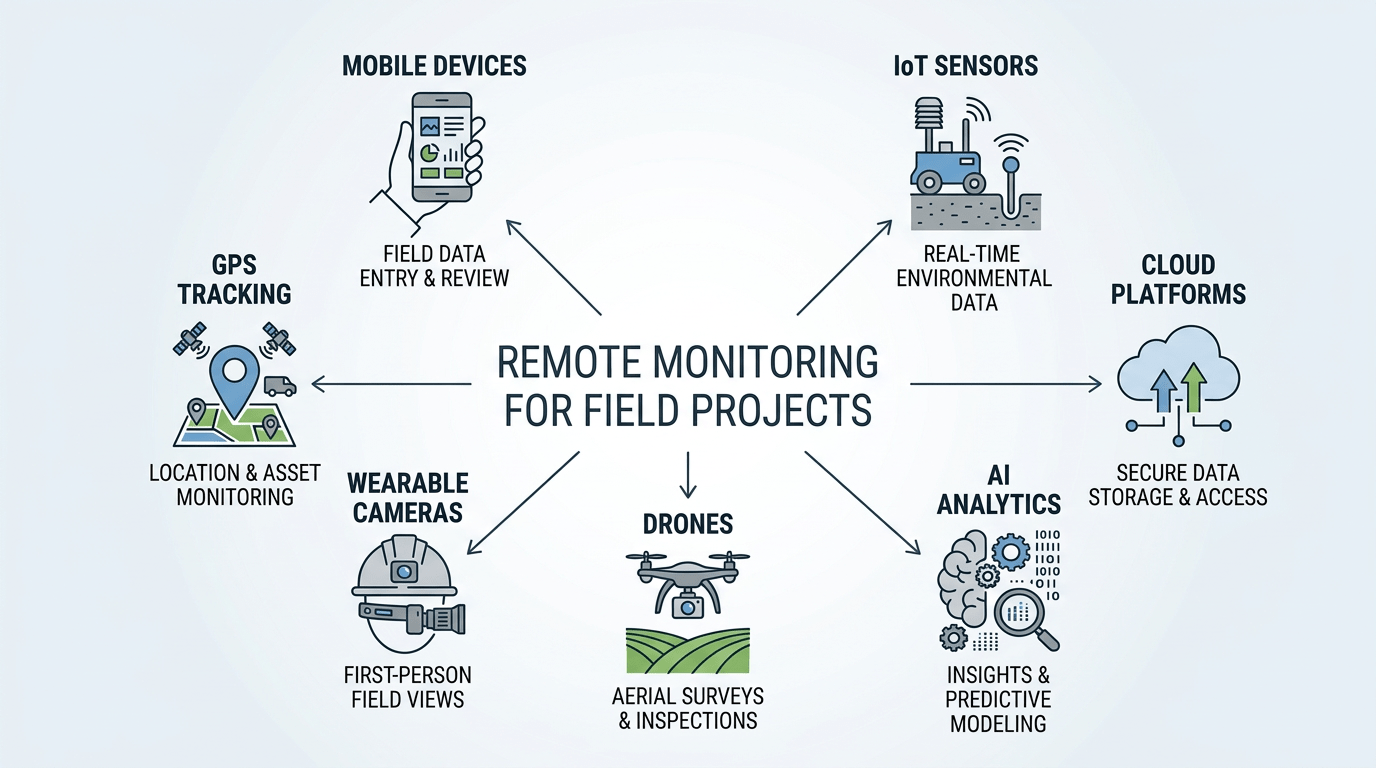
Here are a few ways modern technology is improving remote monitoring for field projects.
Real-Time Data Sharing Improves Project Visibility
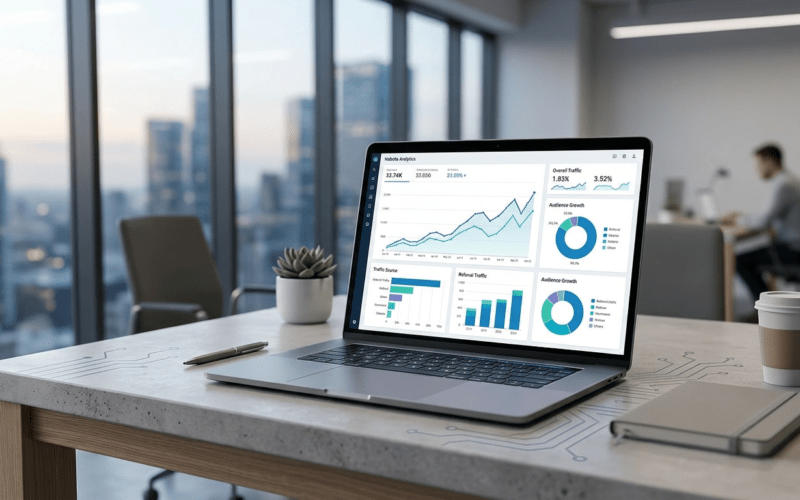
One of the most valuable advancements in field project monitoring is real-time data sharing. Modern mobile devices, sensors, and connected systems allow teams to send updates directly from the field. Managers no longer have to wait until the end of the day to receive reports and understand what happened on a job site.
Field workers can submit progress reports, upload photos, and update task statuses through mobile apps. These updates appear instantly in project dashboards that managers can access from anywhere. This immediate flow of information helps leaders see whether tasks are on schedule or falling behind.
Real-time data also helps with faster problem-solving. If a team encounters unexpected obstacles, supervisors can review the situation quickly and provide guidance. This level of communication helps prevent confusion and keeps projects moving forward smoothly.
Smart Equipment Tracking Reduces Operational Disruptions
Equipment plays a crucial role in many field projects. Losing track of important tools or machines can cause delays and increase operational costs. Fortunately, modern tracking technology helps organizations monitor equipment more effectively.
GPS tracking systems allow companies to see the location of vehicles, machinery, and other valuable assets. Managers can confirm whether equipment has arrived at the correct job site or if it is being used elsewhere. This information reduces wasted time and improves scheduling.
In addition to location tracking, many systems monitor equipment performance and usage hours. This data helps teams plan maintenance before mechanical failures occur.
Wearable Cameras Help Capture Important Field Footage
Visual documentation has become an important part of remote monitoring. Many organizations now rely on wearable recording technology to capture real-time activity from the job site. It’s no surprise that the global wearable camera market, as of 2022, is an $8 billion industry. What’s more, this market is set to grow at a CAGR of more than 14.4 percent till 2030.
Modern body-worn camera solutions allow supervisors to review work activity directly from the perspective of field workers. A body-worn camera can record important details while employees perform inspections or technical tasks. This footage provides valuable video documentation that can be reviewed later.
Teams often use body-worn cameras to support safety programs and training efforts. Workers may wear a body camera while performing complex operations that require careful supervision. In many situations, body cams create an accurate record of how tasks were completed.
As Vestige notes, using body cams also helps improve safety during challenging work environments. Recorded video allows organizations to review incidents and identify ways to prevent future problems. A reliable body cam system can also protect both workers and supervisors by providing clear documentation of daily work activities.
Cloud Platforms Centralize Field Information
Another major improvement in remote monitoring comes from cloud-based project management platforms. These systems allow teams to store and access project information from a single digital location. Instead of searching through emails and scattered files, managers can find everything in one place.
Field teams can upload progress reports, site photos, inspection notes, and documents directly into the platform. Supervisors reviewing the project remotely can immediately see updates as they occur. This shared access improves collaboration between office staff and field personnel.
Cloud systems also create a permanent record of project activity. Companies can review historical data long after a project is completed. This information becomes valuable for planning future projects and improving operational strategies.
The Role of AI and Predictive Analytics
Artificial intelligence is adding a new layer of intelligence to remote monitoring systems. While connected devices and cloud platforms provide access to real-time data, AI transforms that data into actionable insights.
Predictive analytics allows organizations to anticipate issues before they disrupt operations. By analyzing historical data and real-time inputs, AI systems can identify patterns linked to equipment failure, safety risks, or project delays. This enables teams to take preventive action rather than reacting to problems after they occur.
For example, predictive maintenance models can estimate when machinery is likely to require servicing based on usage patterns and performance data. This reduces downtime and extends equipment lifespan. Similarly, AI-powered monitoring tools can flag unusual activity on job sites, helping supervisors address potential safety concerns more quickly.
In addition, machine learning algorithms can improve project planning by identifying inefficiencies across past projects. These insights help organizations optimize resource allocation, reduce costs, and improve timelines.
As AI capabilities continue to mature, remote monitoring is shifting from passive observation to proactive decision-making, giving organizations greater control over complex field operations.
Drones Provide a Wider View of Job Sites
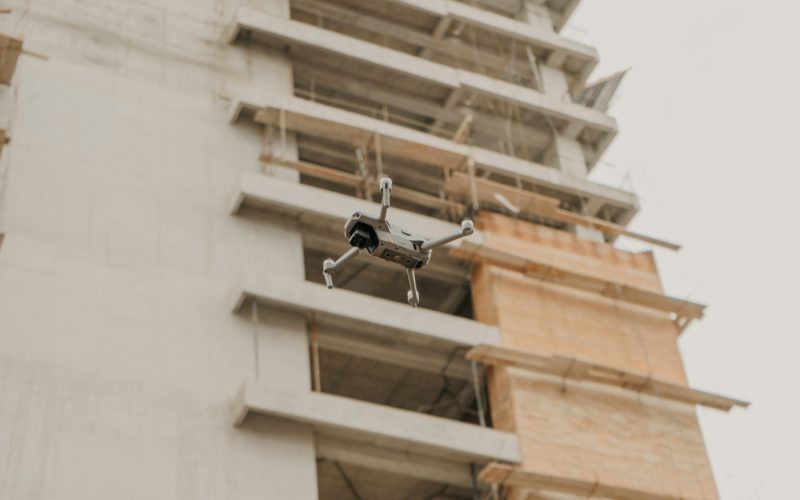
Many field projects cover large areas that are difficult to monitor from the ground. Drones have become a powerful tool for capturing aerial views of project sites. These flying devices can collect high-quality images and video from locations that are otherwise hard to reach.
Project managers can use drone footage to observe construction progress, inspect infrastructure, and evaluate environmental conditions. These visuals help teams understand the overall layout of a site and identify potential challenges early.
Drone surveys also allow organizations to document changes over time. By capturing images regularly, teams can create a visual timeline of project development. This information helps managers verify that work is progressing according to the plan.
Because drones can cover large areas quickly, they reduce the need for time-consuming site inspections. This efficiency makes them especially useful for remote monitoring operations.
FAQs
What are the benefits of remote monitoring in field work?
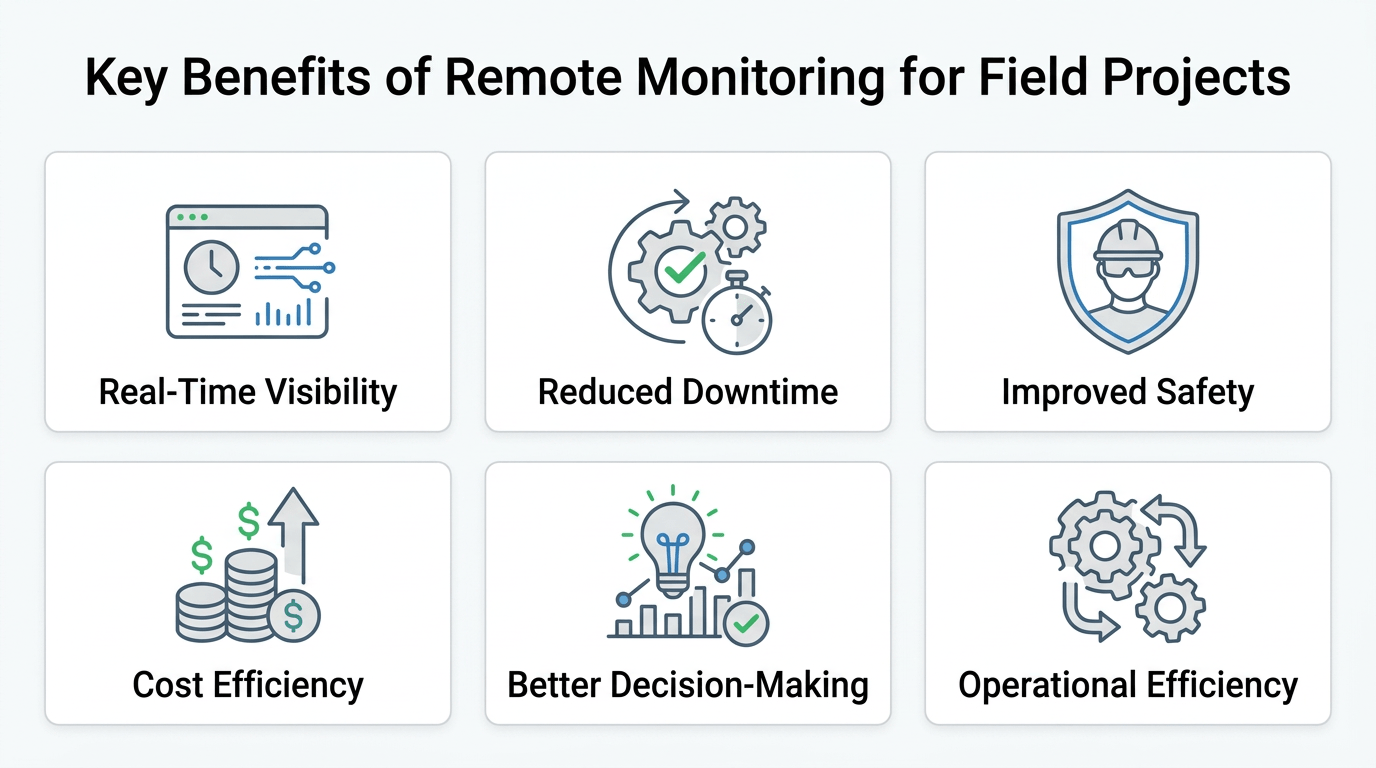
Remote monitoring helps supervisors track project progress, improve worker safety, and reduce travel costs. Using digital tools, managers can receive real-time updates, review performance, and quickly respond to issues. It also improves accountability, documentation, and overall efficiency in managing field operations.
Which industries benefit the most from remote field work monitoring?
Industries such as construction, utilities, mining, agriculture, and oil and gas benefit greatly from remote monitoring. These sectors often operate in distant or hazardous environments, where digital monitoring tools help track equipment, ensure worker safety, and maintain operational efficiency.
Is it illegal to monitor employees who are working remotely?
Employee monitoring is usually legal if it follows labor laws and privacy regulations. Employers must inform workers about monitoring practices and avoid violating privacy rights. Transparent policies and clear consent help ensure monitoring is conducted ethically and within legal boundaries.
Remote monitoring technology has transformed how organizations manage field projects. Tasks that once required constant travel and manual reporting can now be handled through connected digital systems. Managers can review progress, communicate with teams, and address issues without leaving their homes.
As these technologies continue to evolve, remote monitoring will become even more efficient and reliable. Organizations that embrace these innovations gain better control over safety, productivity, and project outcomes. And in a world where remote work is being welcomed with open arms, this is much appreciated by both employees and employers.