



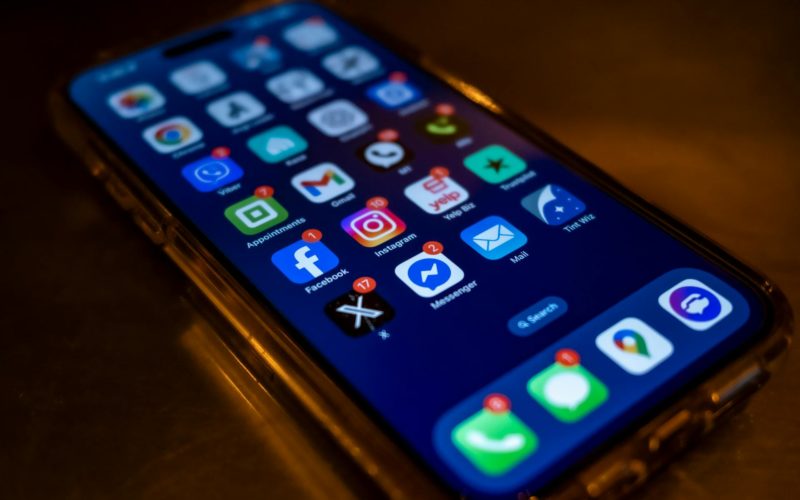
Social feeds train people to skim, not to study, so most posts get dismissed in a fraction of a second. When brands introduce 3D content, the visual field suddenly looks different from the flat collage around it, and that contrast becomes the first advantage. Instead of reading, viewers perceive volume, lighting, and perspective, which creates immediate curiosity and slows the thumb.
Why 3D Content Outperforms Flat Visuals on Social
Research summarized by Deloitte notes that 3D animations can increase viewer engagement by up to 30%, which fits what platforms reward: time spent, replays, and meaningful interactions. Well-built 3D animation and CGI also produce truly scroll-stopping visuals because motion and depth interrupt passive browsing patterns. As a result, people tend to dwell longer while their brains resolve spatial cues and track objects in a scene.
That extra dwell time matters beyond a like. When viewers can mentally “handle” an object, rotate it, or watch it transform, memory encoding improves, and brand recall tends to rise.
Tools such as Hyper3D image to 3D make it easier to turn existing assets into spatial elements that feel touchable. This helps creative teams test more concepts without rebuilding every frame from scratch and keeps the focus on storytelling rather than on technical overhead.
How Brands Are Using 3D Across Instagram, TikTok, and Facebook
Each platform has its own culture and audience expectations, so the same 3D asset rarely performs identically everywhere. Understanding these differences helps brands tailor their approach for maximum impact.
Instagram and Facebook: Polished Reels and AR Filters
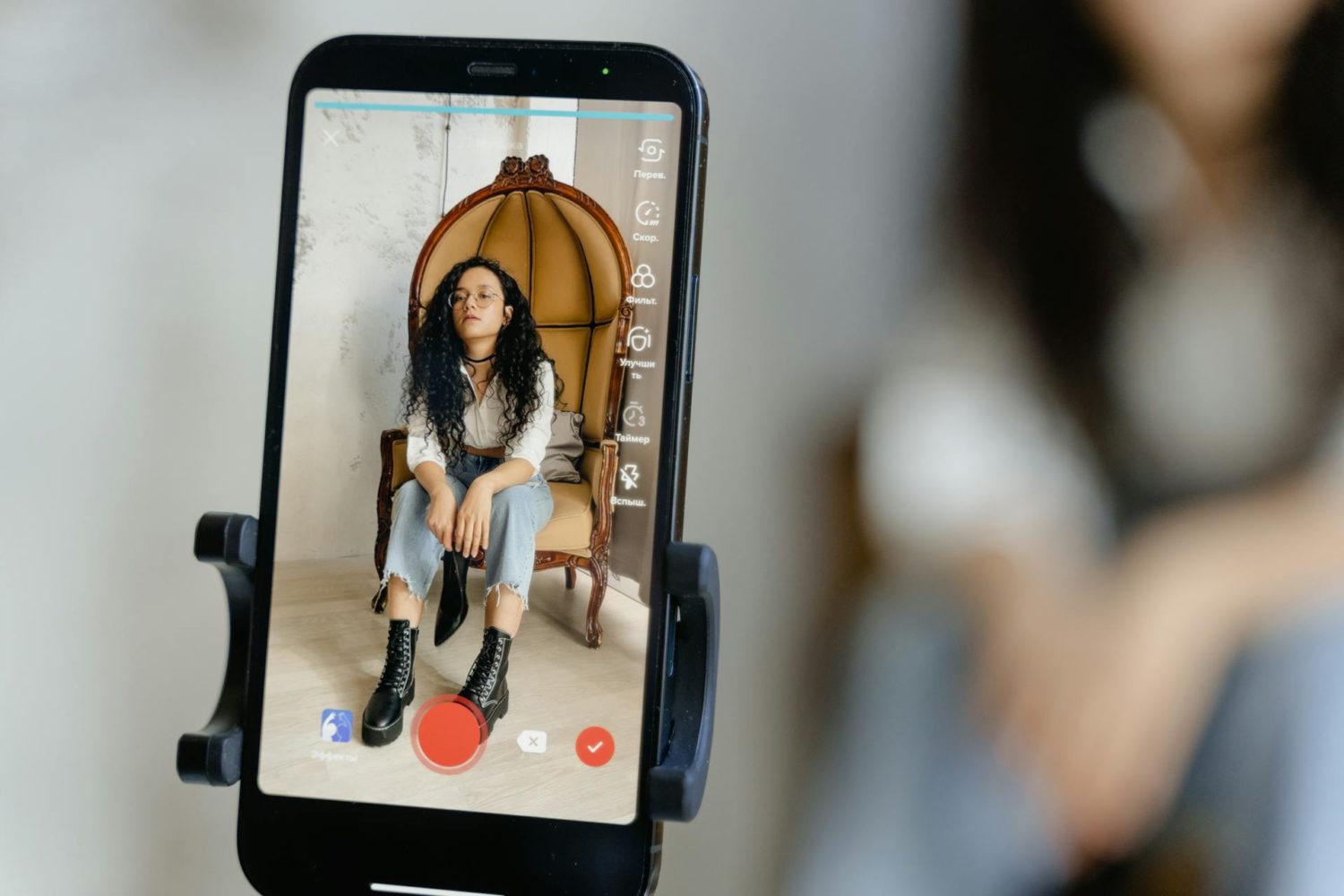
On Instagram, 3D tends to win when it looks planned, not improvised. Instagram Reels often favor clean lighting, smooth camera moves, and photorealistic rendering that makes products feel tangible.
Reel-friendly patterns include tight 360-degree spins and “exploded” views that reveal components. Edits usually stay fast, yet vertical video framing still matters so the model stays readable on a phone screen. For product showcases, creators often pair 3D renders with quick on-screen callouts, like materials or dimensions, so viewers do not need sound. Keeping textures consistent across cuts helps the illusion hold.
Facebook, on the other hand, often plays a different role later in the journey. Longer-form 3D product animation can suit retargeting placements, where viewers want proof, scale, and feature clarity instead of pure novelty. Meta’s interactive formats can add that clarity without adding runtime. AR filters built in Spark AR let people place an object in a room, switch colorways, or trigger simple interactions.
TikTok: Raw Energy Meets Dimensional Creativity
TikTok rewards personality, so 3D performs better when it feels playful and culturally in-step. Many brands use stylized textures, intentional “imperfect” motion, and quick reveals that match trending audio.
Across TikTok, Instagram, and Facebook, short-form video and vertical video are non-negotiable. Practical production checks include:
- Keep subtitles inside platform safe areas
- Make the first second visually clear with a single focal object
- Use simple backgrounds, scale cues, and captions that avoid covering key details
Best-Performing 3D Content Formats for Social Ads
When 3D enters a feed, it can do more than look “cool.” The best formats in social media advertising make depth serve a job: clarify a product, invite interaction, or carry a narrative. Building on the platform strategies discussed above, here are the formats that consistently drive results.
- 3D product animation feature tours rotate the item, zoom in on textures, and show before-and-after states. This works well for products where details, scale, or mechanisms drive the decision.
- AR masks and try-ons let users test shades, styles, or branded effects in real time. Because the viewer becomes the canvas, the ad often earns longer watch time and shares.
- CGI-enhanced environments place a product in aspirational scenes or physically impossible moments, such as liquids forming logos or objects floating. These visuals support lifestyle cues without needing a full shoot.
- Exploded-view animations pull components apart, label them, then reassemble the object to explain engineering or ingredient layers. This format reduces skepticism by making “what’s inside” visible.
- Animated brand narratives connect product moments into a short arc with a beginning, tension, and payoff through visual storytelling. Even simple character motion or typographic animation can make recall feel more personal.
To keep results consistent across placements, teams often pair these formats with enhancing visual quality with AI so textures and edges stay crisp on mobile compression. That polish helps the concept read instantly, even at thumb-stop speed.
Getting Started Without a Studio Budget
The formats above might seem out of reach for smaller teams, but 3D animation no longer implies specialist software, long render queues, and a team of artists. Today, AI-assisted workflows let small teams generate models, textures, and lighting studies faster, then iterate without restarting from zero.
Some tools can infer depth from photos or prompts, producing a draft mesh that an artist can clean up. That draft is often enough for social tests, where readability matters more than perfect topology. Template-driven editors and asset libraries also shrink the time between idea and post. Instead of building every prop, designers can adapt existing scenes, swap materials, and keep brand colors consistent with familiar visual design tools.
Choosing a rendering approach depends on the placement. Real-time rendering fits fast social campaigns where speed and variation matter, while pre-rendered CGI suits hero content that needs refined shadows, reflections, and controlled camera moves.
A practical entry point is the simple product spin: one model, one light setup, and a few angles for quick approvals. From there, teams can add basic exploded views to explain parts, short looped animations for Stories, and environment swaps for seasonal versions.
The Shift Is Already Underway
Social feeds are not getting calmer. As platforms tune ranking systems around watch time, saves, and shares, algorithms increasingly reward immersive posts that hold attention longer than flat images can. Depth, motion, and interactivity also generate clearer feedback loops. When people pause to resolve lighting and perspective, they tend to replay, comment, or share, which supports stronger engagement signals consistently.
This shift is already changing social media advertising creative choices. Teams that treat 3D as a system, not a one-off, build reusable models, textures, and lighting setups across campaign cycles. Early adopters gain visual differentiation that is hard to copy quickly. Their audience learns the look, and competitors often need similar workflows to match the pace and variety.
For most brands, the question is no longer whether to use 3D, but how fast to implement it responsibly. Small tests, clear standards, and consistent iteration keep results grounded while building toward the immersive future that audiences already expect.