



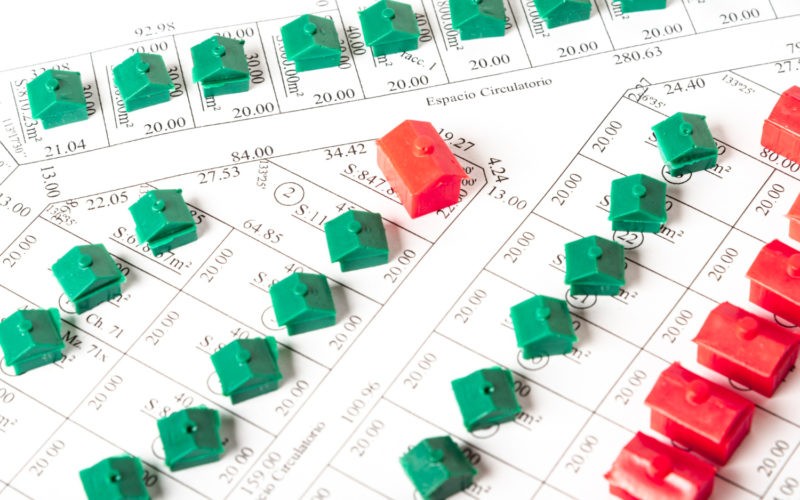
Take a hard look around your neighborhood lately. Those construction crews and development signs are markers of fundamental change sweeping through communities nationwide. Housing expansion represents far more than steel frames and fresh foundations. It’s a force that recalibrates everything from your morning commute to the conversations happening at city hall. What lies ahead for your street? Consider the economic shifts, infrastructure demands, and social dynamics that’ll define your community’s trajectory for decades.
Here’s something most people miss: the financial impact isn’t trivial. When builders construct 100 affordable rental units, the economic cascade is substantial: $11.7 million pumped into local income streams, $2.2 million landing in government coffers as taxes and revenue, plus 161 jobs created within twelve months. They represent paychecks, family stability, and community resilience.
Economic Impact of Housing Development on Communities
Construction activity initiates economic consequences that most residents never anticipate. The impact of housing development on communities functions like dropping a stone in still water effects radiating outward, touching sectors you’d never connect to housing at first glance.
Look at Midland, Texas for proof. This city’s growth trajectory illustrates what happens when affordability meets opportunity. Young families are drawn to a lifestyle equation that actually works. Highway access solves the commute puzzle. Meanwhile, that rare combination of traditional community values and contemporary infrastructure creates magnetism that’s hard to replicate.
Those investigating new homes for sale in Midland, TX encounter something unexpected: developments that don’t sacrifice quality for price points. Modern architectural planning meets energy consciousness. Neighborhood amenities expand alongside resident needs. Fresh faces bring vitality to long-established areas, triggering infrastructure enhancements that lift everyone’s experience.
Property Value Dynamics
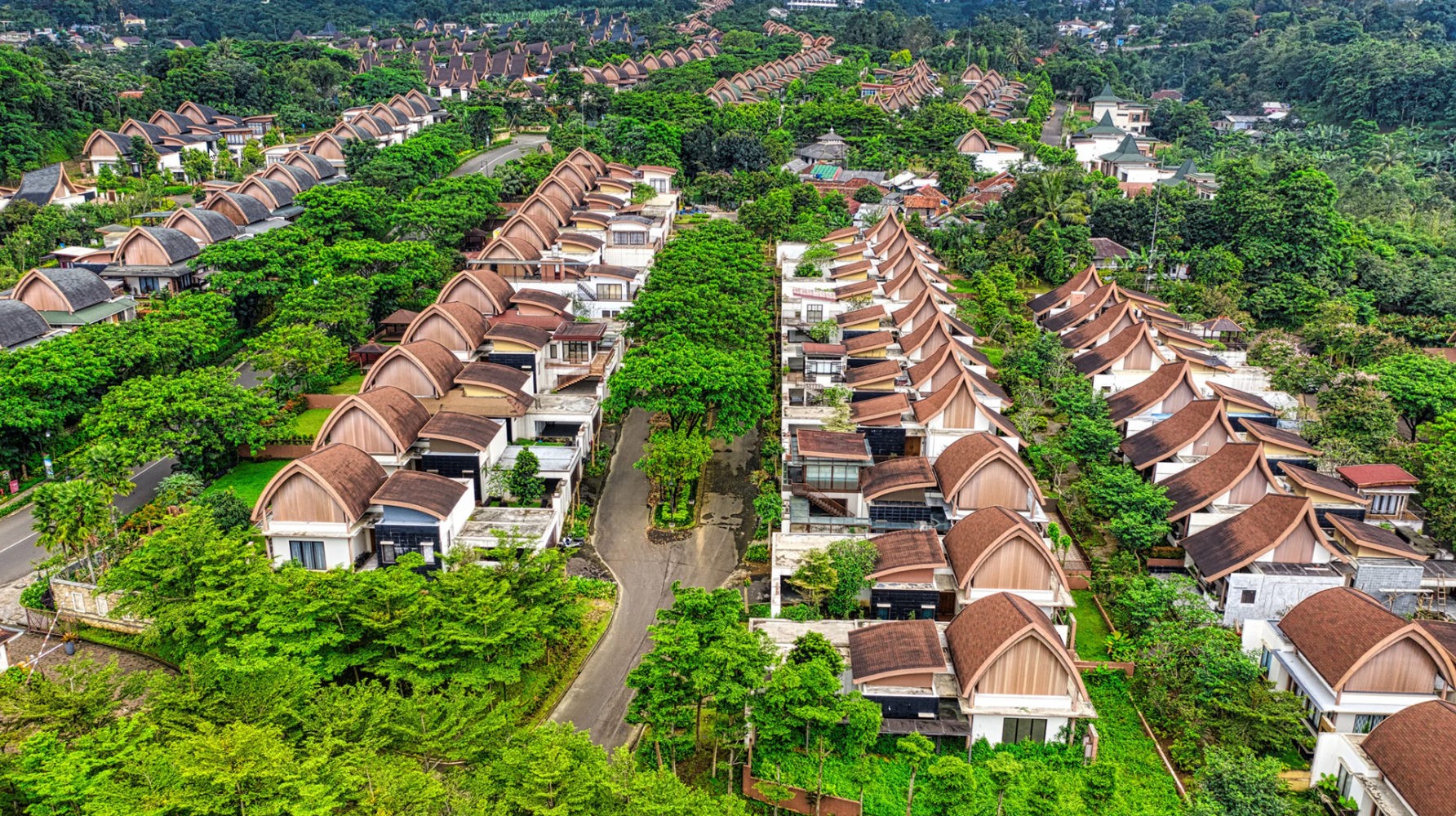
The arrival of quality development typically lifts nearby property values. Your home’s worth climbs as neighborhood appeal intensifies. But manage your expectations this appreciation unfolds across 3-5 years, not instantaneously like some homeowners imagine.
Job Creation Beyond Construction
Construction employment is obvious, but dig deeper. Fresh residents require services: supermarkets, dining options, laundry facilities, café culture. These establishments generate lasting employment that persists long after construction equipment disappears. Local contractors maintain steady work from ongoing repair and maintenance demands.
Tax Revenue Boost
Expanded housing stock translates directly to expanded property tax collections funding schools, infrastructure, and emergency response systems. Municipalities finally gain financial capacity for delayed projects.
The Affordable Homes Act’s full execution could generate nearly 30,000 positions while stimulating $25 billion in economic activity across five years and delivering approximately $1 billion back through state and local tax streams. That scale of investment reshapes communities fundamentally.
Commercial interests respond swiftly to local community development trajectories, with retail establishments following residential patterns almost predictably.
Social Changes Reshaping Neighborhoods
Economics tells only half the story. Urban housing growth restructures the social fabric who populates your streets and how community bonds form or fracture. These transformations either strengthen neighborhood cohesion or introduce friction points.
Demographic Shifts
New construction attracts younger demographics seeking entry-level homeownership and contemporary conveniences. This population influx reshapes school enrollment patterns, amplifies childcare demand, and recalibrates local politics. Long-established residents sometimes experience disorientation when familiar neighborhood characters transform quickly.
School System Pressures
Enrollment surges stress existing educational infrastructure rapidly. Districts scramble to recruit educators, expand physical capacity, and reconfigure transportation logistics. Some schools face overcrowding challenges before new construction comes online. Yet enrollment growth simultaneously brings increased state funding and enhanced program offerings benefiting all students.
Community Integration Challenges
Merging newcomers with established populations demands deliberate strategy. Neighborhood organizations prove critical for building connections through organized activities and communication channels. Communities investing in integration efforts see elevated civic engagement and superior long-term outcomes compared to those neglecting this work.
The housing development social impact reaches cultural venues, recreational infrastructure, and social service capacity requirements.
Infrastructure Requirements and Adaptations
Roads, utilities, and municipal services must expand proportionally with population increases. Communities planning proactively sidestep the harshest growing pains.
Transportation Network Upgrades
More residents inevitably mean more vehicles there’s no avoiding this reality. Sophisticated communities invest in roadway improvements, signal optimization, and alternative transit before congestion reaches crisis levels. Progressive areas incorporate bicycle infrastructure and pedestrian pathways reducing automobile dependence.
Utility System Expansion
Water, sewage, and electrical grids require substantial upgrades supporting growth demands. These infrastructure commitments cost millions yet remain non-negotiable for maintaining service standards. Municipalities frequently mandate developers to contribute to these expansions through impact fee structures.
Emergency Services Scaling
Fire protection, law enforcement, and emergency medical services need additional personnel and equipment as populations expand. Response times deteriorate when these services fail to scale appropriately. Prudent communities establish performance standards and allocate funding accordingly. Sustainable housing expansion requires anticipating these demands rather than reacting after systems fail.
Final Thoughts on Community Growth
Housing expansion generates both opportunities and complications for every community. Economic advantages are measurable employment creation, tax revenue streams, and commercial activity genuinely improve collective quality of life. Yet growth demands careful stewardship to maintain neighborhood character worth preserving.
Municipalities balancing development with infrastructure commitment, educational funding, and integration strategy build thriving environments where newcomers and established residents both flourish. Your community’s trajectory hinges on strategic planning today, not emergency responses tomorrow.
Common Questions About Community Housing Growth
How does new housing development typically affect my property value?
Quality developments generally elevate nearby property valuations across 3-5 year timeframes. Your residence gains from enhanced amenities, infrastructure investments, and heightened market interest. Construction disruption may temporarily diminish desirability during active building phases, though.
What can existing residents do to shape housing expansion in their area?
Show up to municipal meetings, participate in neighborhood associations, and engage during public comment windows for zoning modifications. Your perspective carries weight in planning conversations. Local decision-makers frequently adjust proposals based on constituent feedback.
How long does it take for new infrastructure to catch up with housing growth?
Infrastructure enhancements typically trail housing development by 2-4 years. Municipalities prioritize critical systems like water distribution initially, subsequently addressing roadways and recreational spaces. Patient communities realize superior long-term outcomes versus those demanding immediate solutions.