

Visual content has quietly become the default language of modern teams. From product mockups to campaign assets, the way people align on ideas now starts with something they can see, not just read.
That shift has only accelerated as AI collaboration tools enter the workflow. What once required hours of back-and-forth between designers and stakeholders now moves faster, with fewer bottlenecks and more room for iteration. Visual collaboration is evolving in real time, and the tools driving that change are worth a closer look. What follows is a practical breakdown of where things stand and where they’re heading.
What AI Media Tools Bring to Visual Teams
Generative AI has changed what it means to produce visual assets as a team. Tasks that once sat with a dedicated designer, like drafting diagrams, assembling mockups, or cutting together rough video edits, are now accessible to anyone on the project. That shift doesn’t replace creative expertise, but it does remove the bottleneck of waiting for specialized output before a conversation can move forward.
Digital whiteboard platforms like Miro and Mural have leaned into this trend by embedding AI directly into the brainstorming experience. Template generation, clustering of sticky notes, and even facilitation prompts now happen in real time, which means teams spend less energy on setup and more on the actual thinking. For groups spread across time zones, that kind of speed matters.
Workflow automation plays a quieter but equally important role. Repetitive handoffs between creative and strategic roles, things like resizing assets, reformatting presentations, or tagging files, can now run in the background. The result is fewer interruptions and a shorter path from idea to finished deliverable.
Smaller teams are seeing some of the biggest gains here. AI-powered collaboration platforms for video, audio, and visual media are simplifying processes that once required full production pipelines. Tools that analyze a song’s BPM, beats, and structure to automatically generate synced visuals, like the Freebeat music video maker, allow an indie artist or small content team to go from an audio file to a publishable video without editors, animators, or equipment. AI-powered creativity is no longer limited to enterprise budgets.
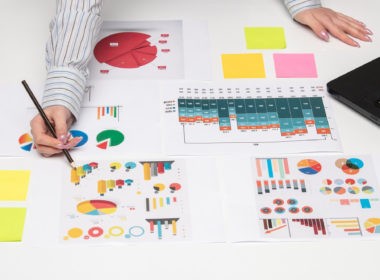
Data-driven storytelling is another capability starting to take shape. AI can surface patterns in performance data and help teams visualize those insights for stakeholders, turning raw numbers into narratives that actually land in a meeting.
Bridging Distance on Distributed Teams

The shift toward distributed work is no longer a temporary adjustment. According to Gallup, six in 10 remote-capable employees prefer hybrid work, and that preference is reshaping how teams communicate day to day. Text-heavy async channels like email and chat threads keep information flowing, but they often fall short when it comes to team alignment.
Visual communication fills that gap in ways that plain text cannot. A shared diagram, an annotated mockup, or a recorded walkthrough gives cross-functional teams a common reference point, even when members are working hours apart. That shared artifact becomes the anchor for decisions, reducing the need for follow-up messages that ask “what did we agree on?”
AI features are making this even more practical. Smart summaries can distill a 45-minute meeting into a visual recap, while auto-generated agendas help hybrid meetings stay focused from the start. For teams already stretched thin by meeting fatigue, that kind of reduction in reset time adds up quickly across a week.
Cross-border collaboration introduces its own set of challenges, from language differences to varying work styles. However, tools that auto-transcribe, translate, or organize visual boards help close those gaps without requiring extra coordination overhead. Platforms like Notion and other modern collaboration tools are increasingly building these capabilities into existing workflows.
The result is that remote collaboration no longer depends on synchronous presence. When the right visual artifacts are in place, alignment happens around the work itself, not around a calendar invite.
Why Human Judgment Still Runs the Show
For all the speed and scale that AI brings to visual workflows, it operates without a sense of context. Consider a common scenario: an AI tool generates a polished presentation deck in minutes, complete with clean layouts and professional graphics, yet the entire narrative misses the strategic point the team needed to make. The slides look impressive, but they fail to move the conversation forward.
This gap between output and intent is where human oversight becomes non-negotiable. An AI tool can generate a dozen layout options in seconds, but it cannot tell whether any of them will resonate with a specific audience or align with a brand’s strategic direction.
AI bias in visual outputs is a real and well-documented concern as well. Generative models often default to narrow representations, producing stereotyped imagery, limited color palettes, or culturally flat compositions. Without active human review, those defaults can quietly make their way into final deliverables, undermining the very inclusivity that many teams are trying to communicate.
The most effective teams have started treating AI as a collaborator that accelerates the drafting phase rather than one that finalizes anything. Rough concepts, layout variations, and early-stage edits move faster with AI assistance, but the decision-making authority stays with the people who understand the audience and the stakes.
This is the core idea behind human-centered AI design. It means structuring workflows so that people remain in the loop at every checkpoint, from initial brief to final approval. AI handles the volume, while humans set the direction.
AI-powered creativity works best under that kind of partnership. When a team lead defines the visual tone and a strategist flags what feels off-brand, the AI output becomes raw material rather than a finished product. That distinction keeps quality high and prevents the kind of autopilot thinking that erodes creative standards over time.
What Comes Next for Visual Teams
Visual collaboration is no longer a supplement to how teams work together. It is becoming the primary interface through which ideas take shape, decisions get made, and projects move forward. The shift outlined throughout this article points in one clear direction: visual-first workflows are the new baseline.
AI collaboration tools will only deepen from here. Real-time co-creation, smarter contextual suggestions, and tighter integrations across platforms are already in development. The rough edges that still require workarounds today will smooth out quickly as these capabilities mature.
The teams that stand to gain the most are those pairing AI speed with the kind of human judgment discussed earlier. Speed without direction produces noise, and direction without speed creates bottlenecks. The competitive edge sits squarely at the intersection, where thoughtful integration turns faster output into better outcomes.