




Walk down any grocery aisle, and you’ll see ten versions of the same product. Same ingredients, same price, sometimes the same packaging. So why does one brand pull ahead even in saturated markets? More often than not, it’s the founder.
The product alone rarely sets you apart. Someone can copy your formula, undercut your price, and out-spend you on ads. What they can’t copy is the person who built the thing, why they built it, and the direction they want to take it. That’s the part competitors can’t reverse-engineer.
So Why Do Founder-Led Brands Actually Win?
It comes down to a few things money can’t buy: a story, a point of view, and authenticity. Let’s look at how that plays out with brands you already know.
The Founder Is the Part Nobody Can Copy
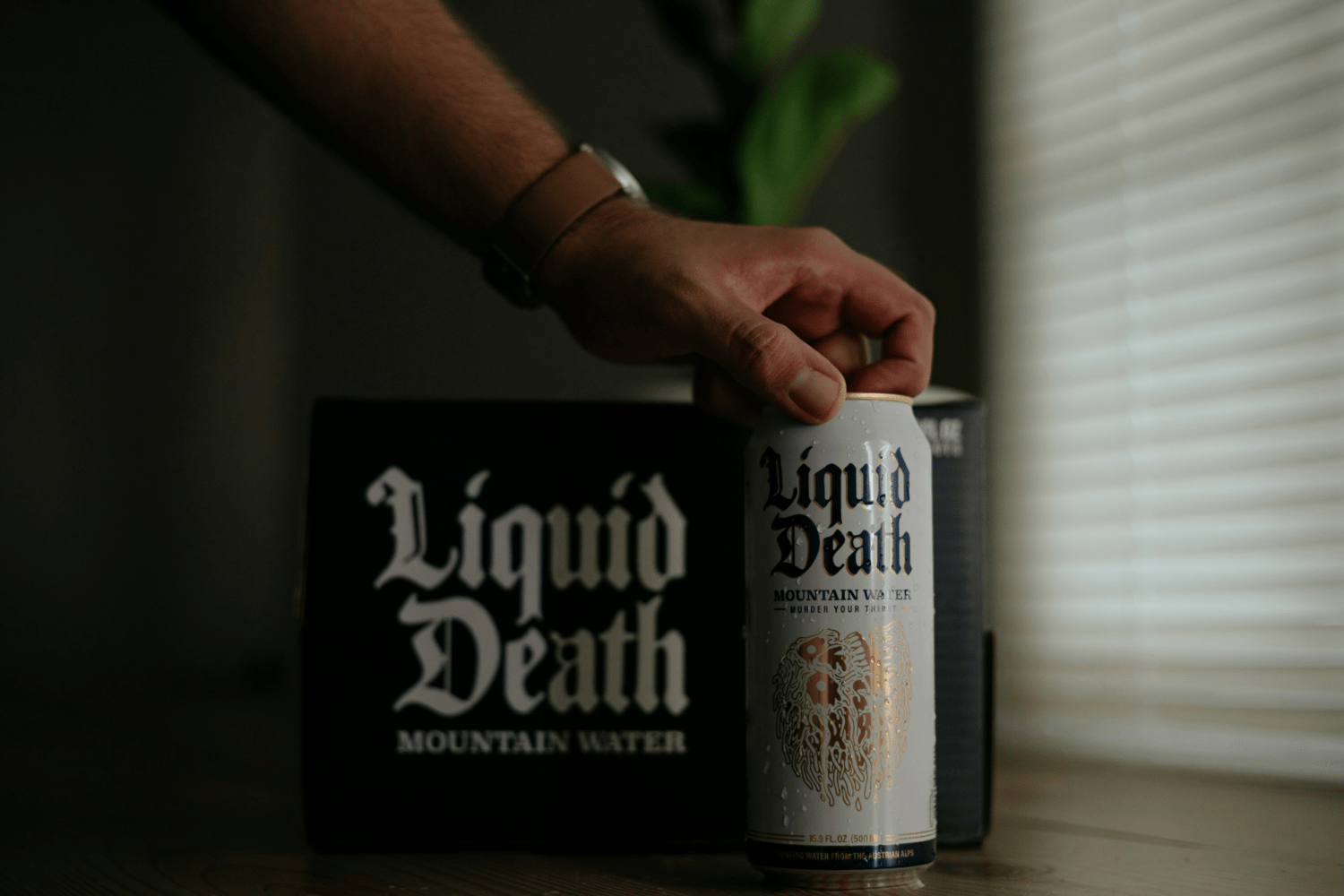
Mike Cessario built Liquid Death into a billion-dollar brand selling something you can get from a tap for free. It’s water inside a can that looks like beer. But if that’s the only thing to it, the gimmick would grow old fast. What clicked was his authenticity and ingenuity.
There’s a lot of thought built into the design and aesthetic of their can. It gets people talking, and it lets someone hold one at a bar or a concert without anyone asking why they’re not drinking.
Mike is also very vocal about plastic pollution. Liquid death was designed to “Murder Your Thirst” and bring “Death to Plastic.” That aggressive branding is very on-brand for him, given his background as a former punk rock musician.
But the best lesson is how he frames the brand. “We’re an entertainment company that monetizes through beverages.” Cessario came from music and advertising. While competitors think they’re up against a water brand, they’re actually up against a content studio.
A Real “Why” Builds Real Trust

Ben Goodwin, co-founder of OLIPOP, had a rough childhood. He grew up on the typical American diet and, by his own description, was an “overweight and anxious” teenager who wasn’t feeling happy about his situation.
At 14, he got serious about food and exercise, lost 50 pounds, and noticed something that he didn’t just feel lighter, he thought more clearly. That’s what hooked him on nutrition and gut health, and it’s the actual origin of the soda.
Customers resonate with that. Goodwin has said soda is “more than just a beverage, it’s a bridge for creating memories and bringing people together.” When the person making the product clearly believes in it, people can feel that energy.
Founders Show Up Before Anyone Else Will

Ben Francis started Gymshark at 19, sewing clothes in his parents’ garage with a machine he learned to use from his grandmother. No budget, no team. Just him making product and putting it out there. As they say, build it, and they will come.
But he paired his hustle with proactiveness. He kept sending his products to influencers and personally showed up at trade shows to talk to the community. Eventually, one of his tracksuits went viral, generating £30,000 in sales in 30 minutes.
Scaling the Story Without Losing It
The founder’s story is what sets the brand apart, but a founder can’t be everywhere at once. At some point, you have to put real budget behind the message and get it in front of more people, faster than you can do it one Instagram post at a time.
That’s where paid acquisition comes in, but it has to amplify the founder’s voice. Plenty of brands lose the plot here. They scale spend, and the authentic thing that made them work gets flattened into stock-photo creative.
If your team doesn’t have the in-house chops to scale paid social while keeping the brand intact, a Meta ads agency that understands creative can take the founder’s story and put real reach behind it.
Key Takeaways
In a market full of lookalikes, the founder is the unfair advantage. The product can be copied. The person and the reason behind it can’t. To recap:
- A founder’s background and point of view (like Cessario treating Liquid Death as an entertainment company) is the one thing competitors can’t reverse-engineer.
- When the founder genuinely believes in the product, customers feel it, the way they do with Goodwin and OLIPOP.
- Founders do what corporates won’t. Showing up early and talking directly to the community, like Francis did with Gymshark, builds something a media plan can’t buy.
- Scale the story, don’t dilute it. Put a budget behind the founder’s voice through creative-led paid social, and ensure growth amplifies the brand rather than flattening it.
About the author:

Chris Tweten is the CMO of Spacebar Collective, a Canadian marketer specializing in growth and demand generation for B2B SaaS companies.