




If you’re a small to medium-sized enterprise (SME) owner, chances are you started your business with just yourself or a few hands on deck. As your business offers more products or opens new branches, you’ll probably need to bring more people on board. The challenge is figuring out exactly how many employees you need. Hire too many, and you risk stretching your budget. Hire too few, and your team could get overwhelmed.
Knowing the right number of employees to hire takes a mix of planning and careful observation. It’s only by approaching hiring strategically that you can build a team that helps your business grow without putting unnecessary strain on your resources. Let’s explore practical ways to determine how many people you need for the next stage of your business.
1. Review Your Budget and Financial Capacity
Before you hire anyone, make sure your business can actually afford them. Take a look at your current expenses and see how much room you have in your budget for salaries, benefits, and training new employees. This is also a good time to check your business banking setup to ensure your accounts and cash flow can support additional payroll without stretching your finances too thin.
Understanding your financial capacity helps you figure out not just how many people you can hire, but also which roles should take priority. You’ll avoid the stress of overcommitting and ensure each new hire adds real value to your business.
2. Analyze Your Current Workload
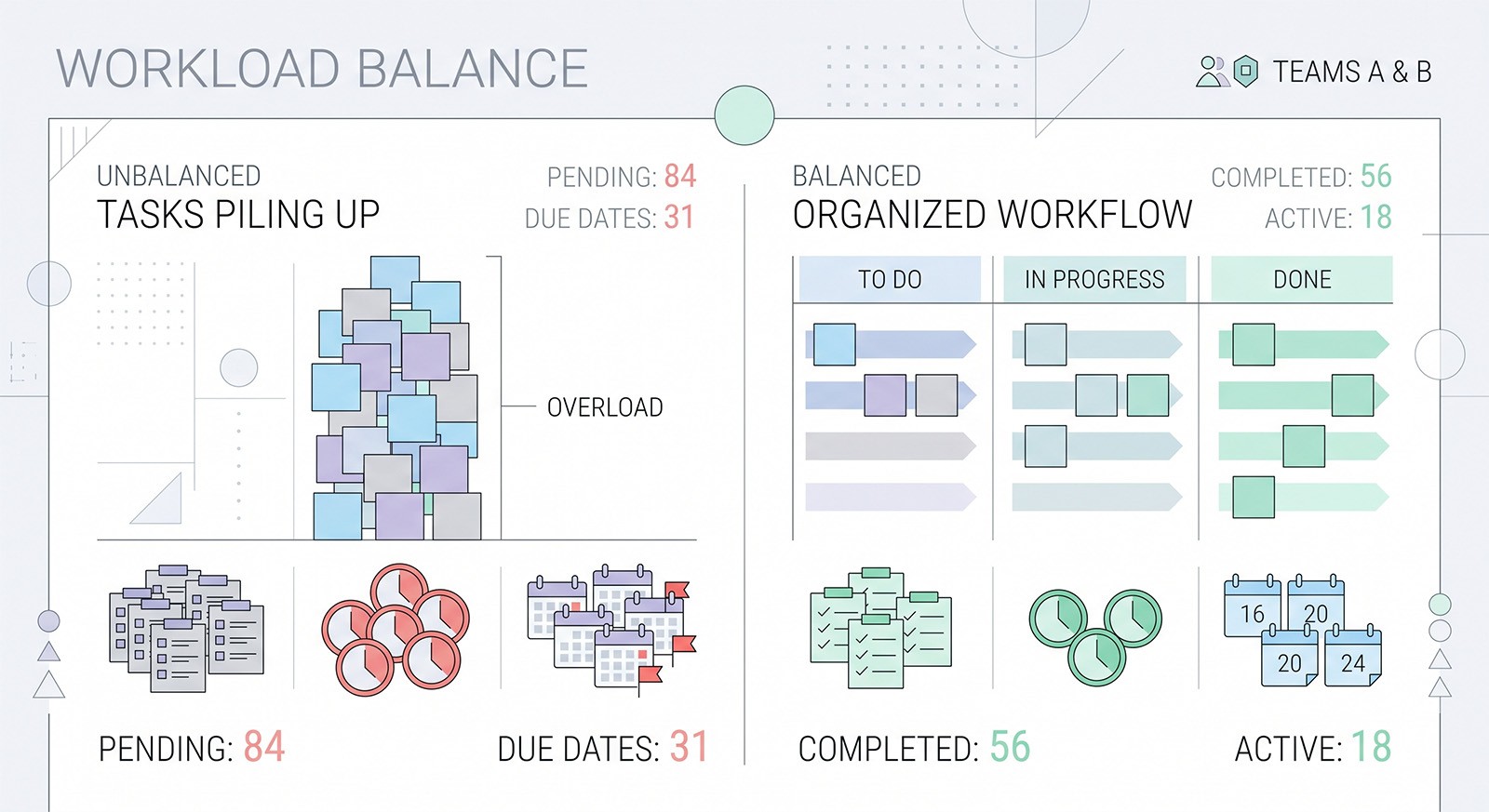
Look closely at your team’s daily and weekly tasks and ask yourself where work is piling up or deadlines are being missed. Maybe customer service is taking too long to respond to inquiries, or certain projects are constantly delayed. Spotting these bottlenecks gives you a clearer picture of where you really need help. It also helps you make smarter decisions about whether you need a full-time hire or if adjusting processes or redistributing tasks could solve the problem.
3. Forecast Future Growth and Demand
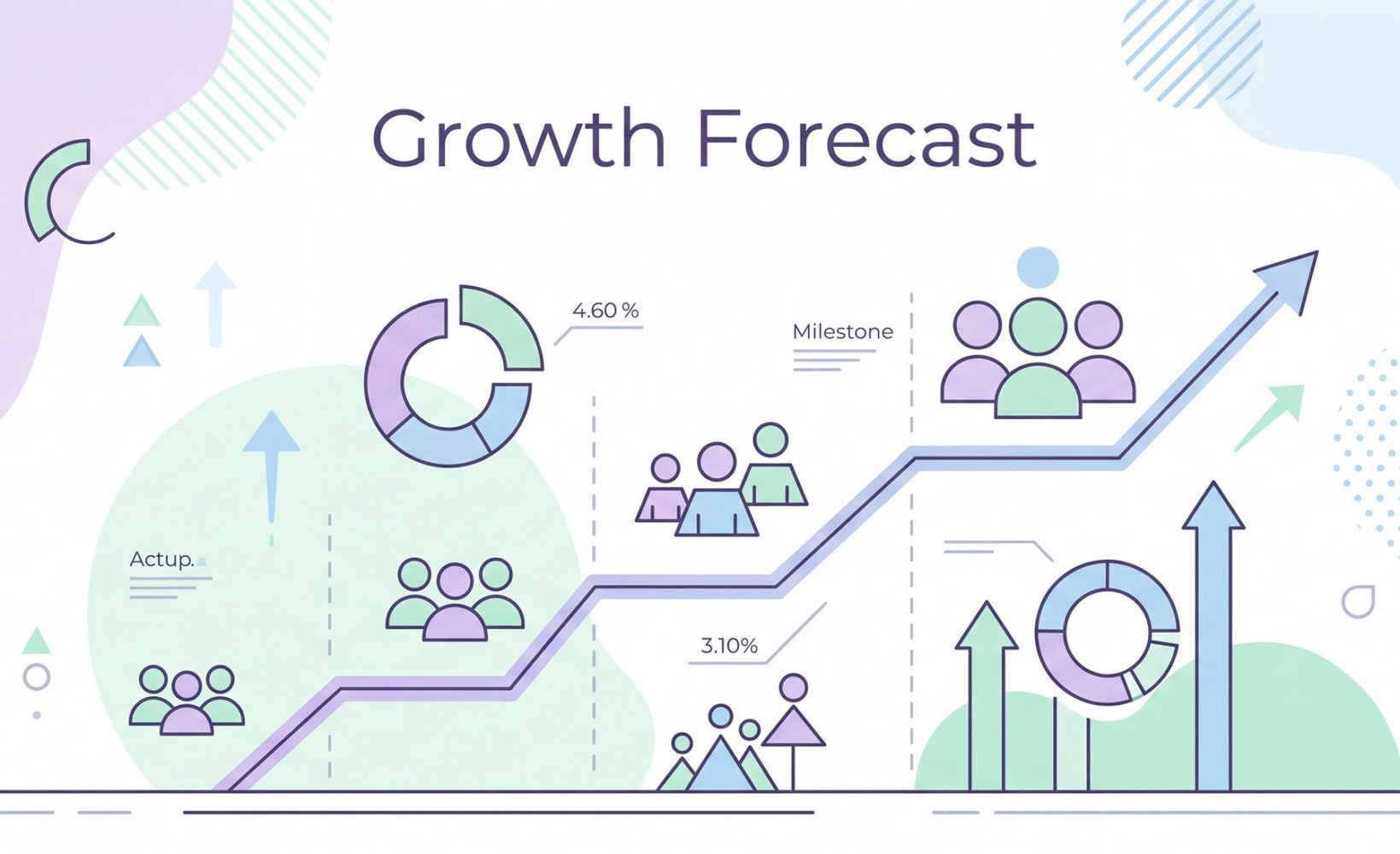
Think about your business plans for the next 6 to 12 months. Are you launching new products, offering more services, or opening another branch? Predicting these changes helps you figure out how many extra hands you’ll need to meet growing demand. It also prevents last-minute hiring, which often results in poor onboarding, overloading, or mismatched skills.
4. Evaluate Productivity and Identify Skills Gaps
Speaking of mismatched skills, you also need to look at how efficiently your current team is handling their tasks. If some employees are overworked or certain areas consistently fall behind, that can be your sign that extra support is truly needed. Sometimes, adding a new employee isn’t about increasing headcount, but bringing in someone with the expertise to fill gaps.
5. Consider Seasonal or Temporary Needs
If your business has busy seasons or fluctuating demand, think about whether temporary or part-time hires could meet your needs. This can help you economically manage peak periods without committing to permanent staff who might not be fully utilized year-round. Using temporary or seasonal staff also allows you to test the waters with new roles before deciding on long-term hires, giving you more flexibility in staffing decisions.
6. Use Ratios or Benchmarks for Your Industry
Some businesses use ratios, such as employee-to-sales or employee-to-customer, to estimate staffing needs. Looking at benchmarks from companies in your industry can give you an idea of how many staff are typically required relative to business size and workload. While these numbers shouldn’t be the only factor in your decision, they can act as a helpful reference point.
7. Start Small and Adjust As Needed
When in doubt, hire gradually. Start with the number of employees you feel is essential and see how it affects operations. Observing productivity, customer satisfaction, and team morale will give you a clear picture of whether more hires are needed. The main benefit of this approach is that it prevents overstaffing and allows you to train and integrate new team members properly. It also gives you the flexibility to scale up as your business grows, keeping hiring decisions practical and aligned with your actual needs. As another benefit, it keeps you from having to prematurely lay off otherwise talented hires who are surplus to your requirements.
Staffing Must Serve Strategy
Hiring the right number of employees can feel tricky, but most of the issues are easily resolved with careful planning. With these tips, you can avoid overstaffing or leaving your team stretched too thin, enabling your business to do whatever it does best. Use the pointers as your guideline for making better hiring decisions and cost-effectively building a team that genuinely supports your business growth.