




Your expense system approved 400 reimbursements this morning before anyone on your team logged in. No one reviewed them line by line. No one flagged the duplicate hotel charge from a trip three weeks ago, because an AI agent already caught it, denied it, and routed an explanation back to the employee. By the time your finance lead opens a laptop, the routine work is done.
This isn’t a pilot program or a vendor demo reel. It’s a Tuesday morning at companies that have already moved past “exploring AI” into running on it. If you’re a team lead or manager who keeps hearing “agentic” tossed around in finance meetings without anyone explaining what actually changes on the ground, this is the explainer you’ve been waiting for.
What “Agentic” Actually Means (And Why It’s Different This Time)
Finance teams have heard automation promises before. RPA bots that follow rigid if-this-then-that rules. OCR tools that scan receipts but still need a human to approve every line. None of it changed the fundamental shape of the job. It just moved the clicking around.
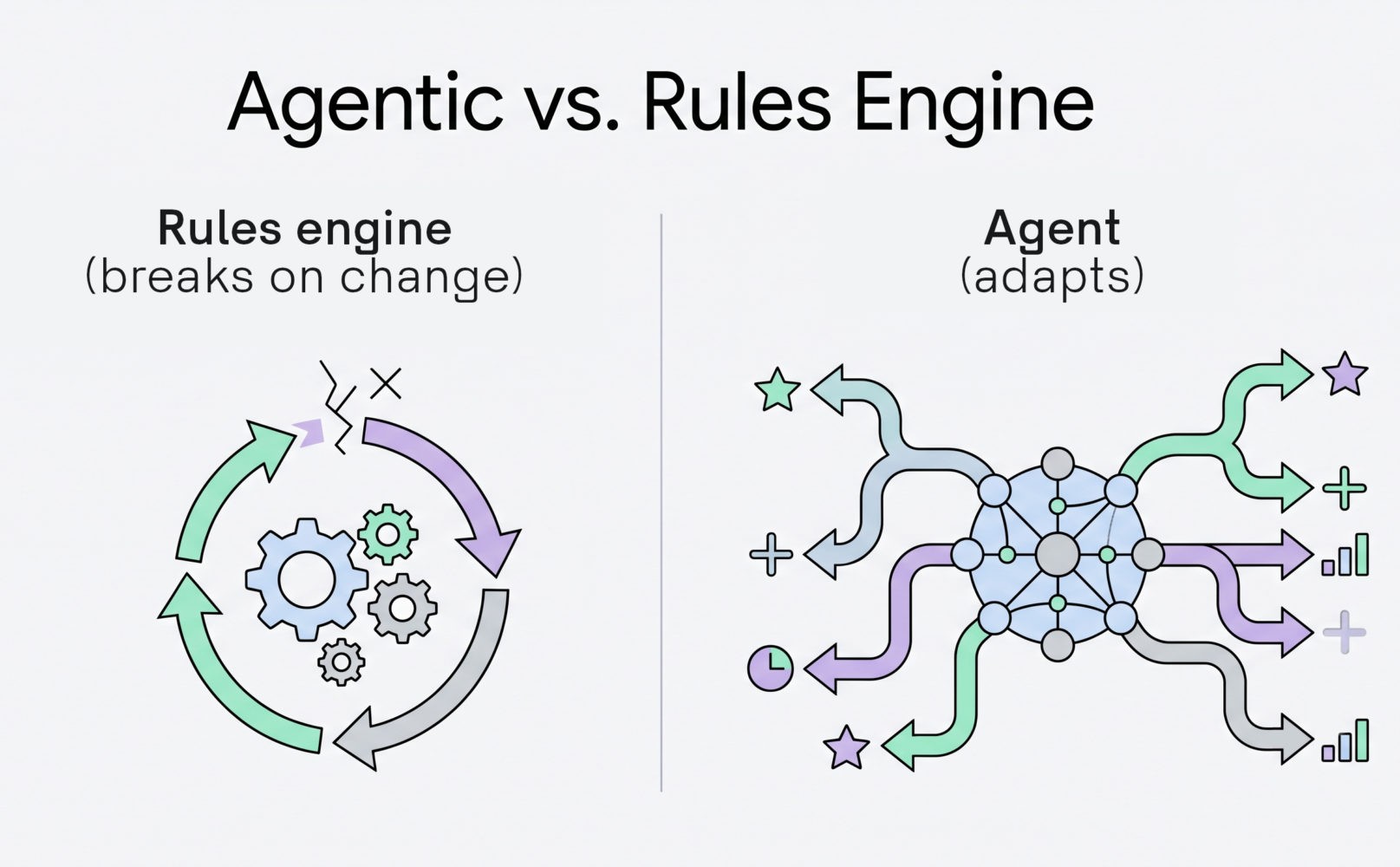
Agentic AI is a different category. Instead of executing a fixed script, an agent observes a transaction, reasons about whether it fits policy, takes an action, and learns from the outcome, without a human queuing up each step. The distinction matters operationally. A rules engine breaks the moment a vendor changes its invoice format. An agent adapts.
The difference shows up clearly when you set the two eras side by side.
| Automation era | Core technology | Operational bottleneck | Human role |
|---|---|---|---|
| Traditional automation | RPA and rigid rules | System fragility (broken scripts) | Manual triage and data entry |
| Agentic era | LLMs and reasoning engines | Edge-case ambiguity | Strategic calibration and auditing |
Vendor data suggests the leap is real. Some expense platforms now report that their AI can autonomously clear a large majority of routine expenses while staying closely aligned with human reviewers’ decisions. Whatever the exact figure, the shift is qualitative: this is a system making judgment calls that, as recently as 2023, required a person with a finance background and institutional knowledge of company policy.
The Contrarian Take: This Doesn’t Shrink Your Team’s Workload, It Relocates It
Here’s where most coverage of agentic finance gets it wrong. The framing is almost always “AI will eliminate X% of finance work,” as if the job simply gets smaller. Leads who have already deployed these systems report something different. The hours spent on routine processing drop sharply, but the hours spent on judgment-heavy exception handling don’t fall at the same rate. On some teams, they rise.
Think about what’s left in the slice of expenses the agent doesn’t auto-clear. Those aren’t the easy cases. They’re the ambiguous ones. A client dinner that’s borderline over the policy cap. A software subscription that looks personal. A contractor invoice with mismatched line items. Previously a human reviewer triaged these alongside hundreds of straightforward approvals, which meant the easy cases buried the hard ones in volume. Now the easy cases are gone, and your team stares at a queue that is all exceptions, all the time.
That’s a harder job, not an easier one. It demands sharper judgment, faster escalation, and a clear answer to the question every finance lead now faces: when do I trust the agent’s call, and when do I overrule it?
Teams that treat agentic tools purely as a headcount-reduction lever, without redesigning the human role around exception management, tend to see accuracy plateau or slip, because nobody is watching the small fraction the system gets wrong. Teams that redesign the role, with fewer people on volume work and the same or more on judgment work, see compounding gains, because their best reviewers are no longer spending attention on rubber-stamp approvals.
The same dynamic is reshaping the outsourcing sector. Cities like Kraków in Poland built large local economies around offshored finance work, from accounts-payable teams to invoice processing to month-end close, for Western clients who wanted skilled labor at lower cost. That arbitrage is now under pressure. When routine processing can be automated, the cost gap that made offshoring attractive narrows, and companies start asking whether the work needs a dedicated team anywhere. Through 2025, Kraków saw a documented wave of shared-services layoffs, with automation and rising local costs both cited as drivers. The pattern isn’t simply AI versus offshoring. It’s AI shrinking the volume of work until the remaining slice no longer justifies a dedicated center.
What Actually Changes in Your Back Office
Strip away the buzzwords and three concrete shifts show up in how a finance function runs day to day.
Approval cycles compress from days to hours
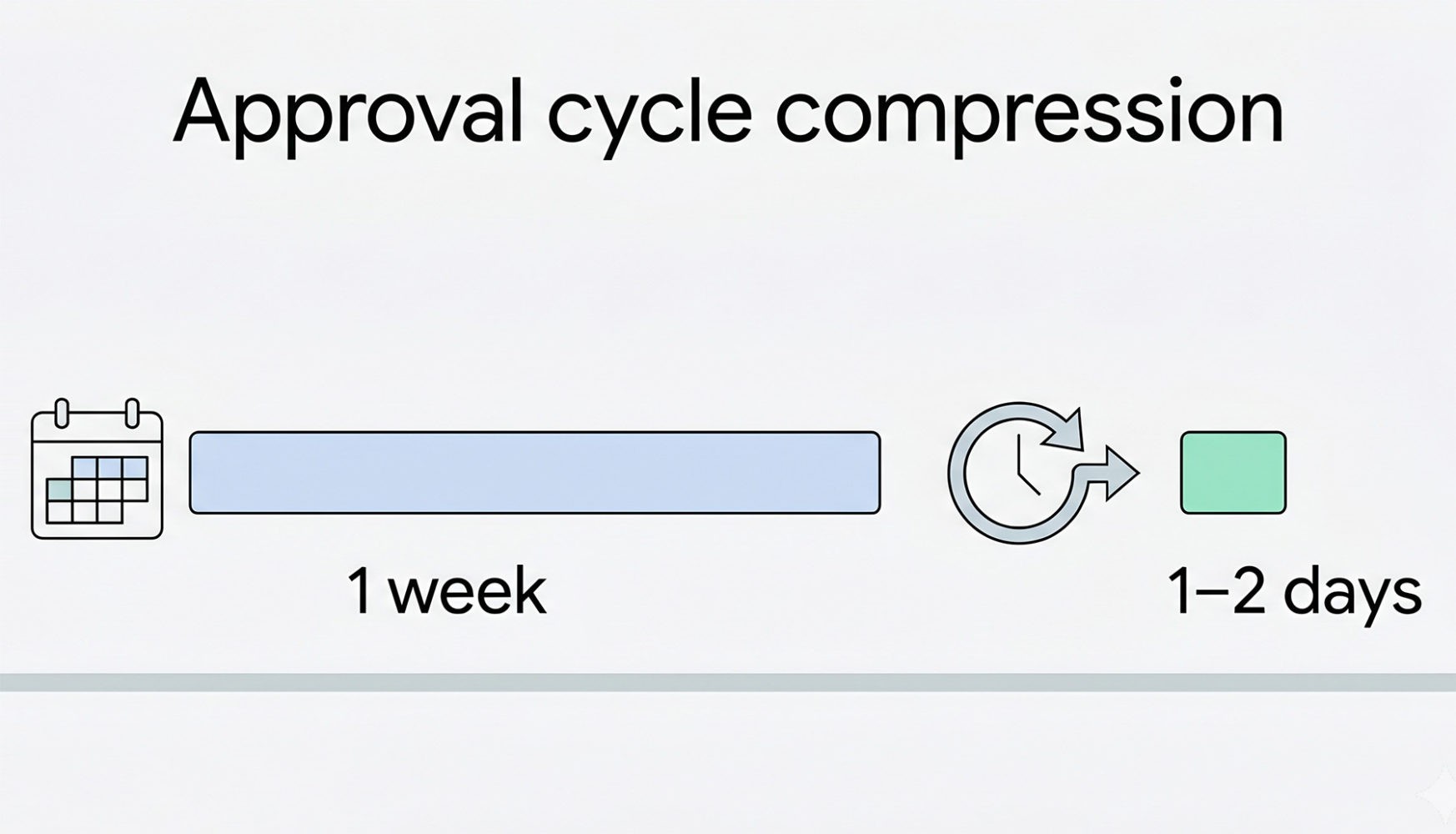
When an agent clears routine expenses on first pass, the bottleneck moves from “waiting for a human to get to it” to “waiting for the exception queue.” Reimbursement cycles that used to take a week often drop to a day or two, because the only delay left is genuine ambiguity, not backlog.
The reviewer’s job shifts from checking to calibrating
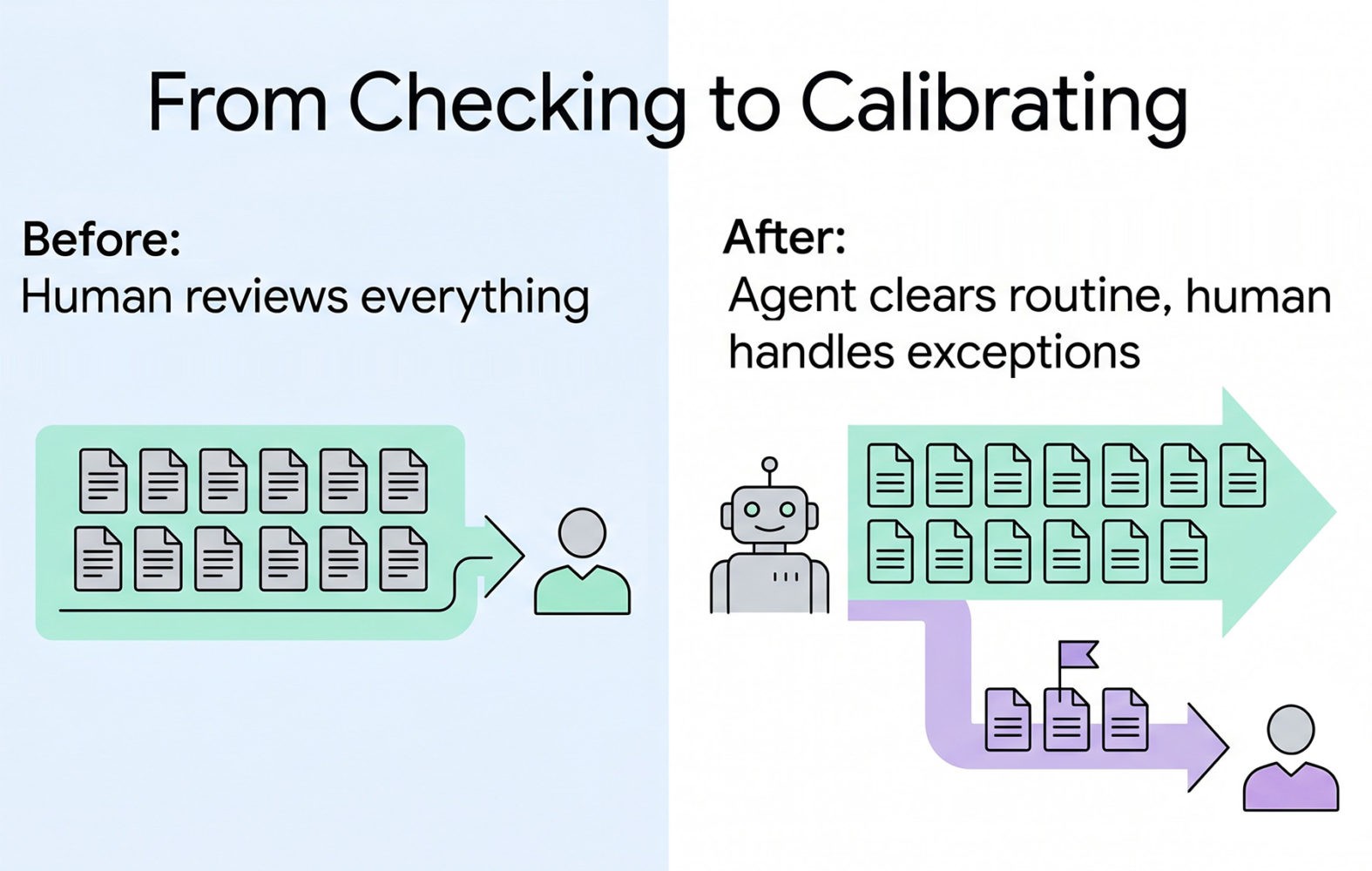
Instead of asking “is this expense correct,” your team starts asking “is the agent’s policy interpretation correct, and where does it need retraining.” That’s a different skill, closer to managing a junior analyst than running a checklist.
Audit trails get denser, not thinner
Counterintuitively, agentic systems tend to produce more documentation, because every autonomous decision needs a logged rationale to stay auditable. Finance leads who assumed automation would simplify audit prep often find the opposite: more data, organized differently, requiring a new way of querying it.
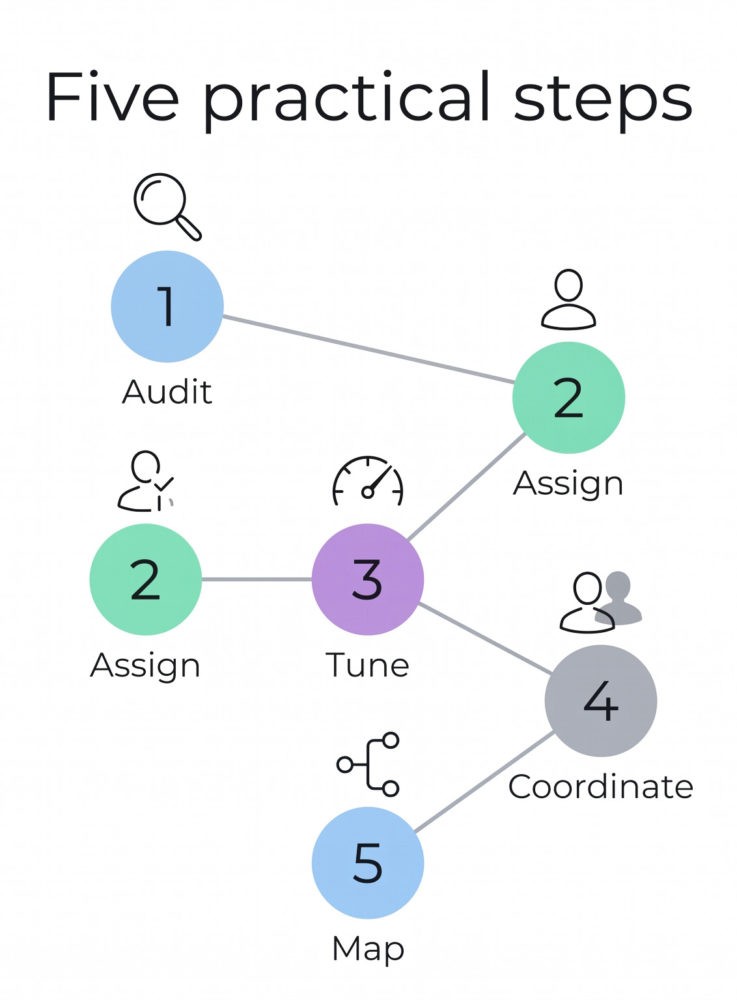
Five Practical Steps to Take This Week
You don’t need a six-month transformation roadmap to start adjusting. Here’s what to do now.
1. Audit your exception rate before you adopt anything
Pull last quarter’s expense or invoice data and tag what would have required human judgment versus what was a clean policy match. That ratio tells you what your post-automation team needs to look like, and whether a high auto-clear rate is realistic for your transaction mix or wildly optimistic.
2. Redefine one role around exceptions, not volume
Pick your strongest reviewer and shift their mandate explicitly. Their job is no longer throughput; it’s catching the cases that matter. Measure them on judgment quality, not items processed.
3. Set a confidence threshold and review it monthly
Most agentic platforms expose a confidence score or flag low-certainty decisions. Don’t accept the vendor default. Tighten it until your false-clear rate matches what your compliance tolerance actually allows. Build in a recurring human audit, too. Compliance policies change, and an agent left unchecked can drift, applying last year’s rules to this year’s vendors without anyone noticing the gap until an auditor does.
4. Run a shadow period before full autonomy
Let the agent recommend decisions for two to four weeks while a human still signs off on everything, and compare its calls to your team’s. This is the fastest way to find where the vendor’s alignment claims hold for your specific policies and where they don’t.
5. Build an escalation script, not just a policy doc
Your team needs a written answer to “what do I do when the agent and I disagree,” including who holds override authority and how disputes get logged. Without this, disagreements get resolved ad hoc, and your audit trail develops gaps exactly where scrutiny matters most.
Five Tools Worth Knowing
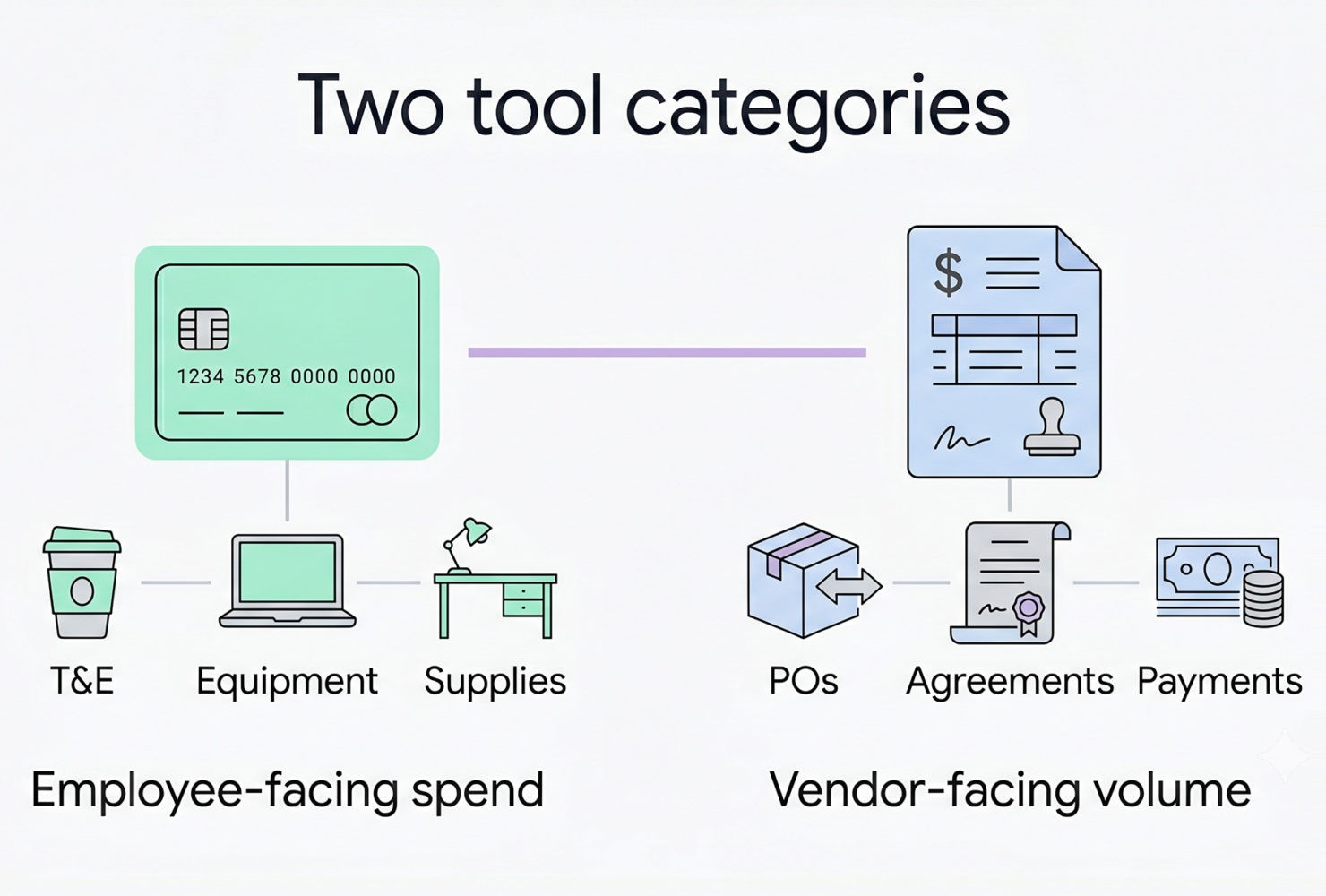
If you’re evaluating where to start, these platforms are shaping the agentic finance space. They split into two categories that solve different problems.
| Category | Platforms | Core use case |
|---|---|---|
| Employee spend & corporate cards | Ramp, Brex, Expensify | Automating expense reports, card receipt matching, and real-time policy compliance on employee-facing spend. |
| Accounts payable & invoicing | Vic.ai, Auditoria.AI | Vendor invoice ingestion, automated line-item GL coding, PO matching, and ERP sync on vendor-facing volume. |
None of these are interchangeable. Most mid-sized finance functions will eventually run one from each row side by side.
Why This Matters Beyond Finance
The interesting part of this shift isn’t really about expense reports. It’s a preview of how agentic AI changes management in every back-office function it touches. The money behind it isn’t speculative: MarketsandMarkets projects the broader AI in finance market will grow from $38.36 billion in 2024 to $190.33 billion by 2030, a compound annual growth rate of roughly 30.6%. Investment at that scale doesn’t slow down once it starts compressing approval cycles.
The leads who get ahead of this aren’t the ones who automate fastest. They’re the ones who correctly identify which part of their workflow still needs a human, build their team’s judgment around exactly that slice, and treat the agent’s output as a hypothesis to verify rather than a verdict to trust on faith. That’s not a smaller job. It’s a different one, and it’s already started.
Frequently Asked Questions
What is agentic finance?
Agentic finance is the use of AI agents that handle finance tasks autonomously, rather than following fixed scripts. An agent observes a transaction, reasons about whether it fits company policy, takes an action such as approving or denying it, and learns from the outcome, without a human queuing up each step. In a back office, that typically means automatically clearing routine expenses and invoices while routing genuine exceptions to a human.
How is agentic AI different from RPA?
Robotic process automation (RPA) follows rigid if-this-then-that rules and breaks the moment a vendor changes its invoice format. An agentic system reasons about ambiguous cases and adapts when conditions change. RPA moves the work around; an agent makes judgment calls that previously required a person with finance knowledge.
Does agentic AI reduce finance headcount?
Not in the way most coverage assumes. The hours spent on routine processing drop sharply, but the hours spent on judgment-heavy exception handling don’t fall at the same rate, and on some teams they rise. The work isn’t eliminated so much as relocated, from high-volume approvals toward the harder, ambiguous cases that need human judgment. Teams that redesign roles around exception management tend to get more out of the shift than teams that treat it purely as a way to cut staff.
Which tools are used for agentic finance?
They fall into two categories. Employee-facing spend and corporate card platforms such as Ramp, Brex, and Expensify automate expense reports and policy compliance. Accounts-payable platforms such as Vic.ai and Auditoria.AI handle vendor invoice ingestion, line-item coding, and ERP sync. Most mid-sized finance functions eventually run one from each category side by side.
About the author:
Sophie E. Vall is a UI/UX designer with a background in IT and finance, and an entrepreneur currently building a new startup. She has managed UI/UX teams, run two startups, and helped banks build their systems, as well as productivity tools and content management tools. She writes about organization, planning, and productivity, drawing on hands-on experience designing systems that are both efficient and human-centered. Her broader interests include productivity techniques, the arts, sports, business, and photography.